

How Hit-and-Run Victims Can End Up Facing Their Own Insurer
Key Takeaways: Mississippi generally treats an unidentified hit-and-run driver as an uninsured motorist, so victims usually must file a claim under their own policy’s uninsured motorist (UM) coverage. Your insurer may fight that claim because, in a UM case, it takes the place of the missing driver and can raise the same defenses about fault and damages. Insurers often argue that the fleeing vehicle never touched you or your car, that a named insured rejected UM coverage in writing, that you don’t count as an "insured," that your property loss was already paid, or that the crash didn’t cause your injuries. Photos, a police report, witness statements, prompt medical records, and a certified copy of your policy can help you answer these arguments. A denial may support a bad faith claim if the insurer had no reasonable or arguable basis for it, but that depends on the facts and is never guaranteed. Talking with a lawyer before giving detailed statements to your adjuster can help protect your claim.
When a driver hits you and drives off, your own auto policy may be the only place left to recover. Mississippi generally treats an unidentified hit-and-run driver as an uninsured motorist, so your claim typically goes to your own carrier. Many victims are surprised when the company they have paid for years starts acting like an opponent. A hit and run uninsured motorist claim Mississippi drivers file is a first-party UM claim, meaning you claim against your own policy. Your insurer still owes you a duty of good faith, but on fault and damages it generally stands in for the missing driver. It may question fault, dispute your damages, and look for policy grounds to reduce or deny payment.
Getting legal help early can protect your claim before key evidence disappears. Mama Justice Law Firm helps injured people understand their rights after a hit-and-run crash. Call (833) 626-2587 or contact us now to talk through your situation.
Why Mississippi Law Sends Hit-and-Run Claims to Your Own Policy
Mississippi law treats a vehicle with an unknown owner or driver as an "uninsured motor vehicle." Under Miss. Code Ann. § 83-11-103(c)(v), the definition includes "a motor vehicle of which the owner or operator is unknown." A hit-and-run victim can therefore generally claim against their own policy’s UM coverage, as long as the law’s physical-contact rule is met.
A hit-and-run case is only one kind of UM claim. Under Miss. Code Ann. § 83-11-103(c), a vehicle also counts as uninsured when there is no bodily injury liability insurance (subsection (i)); when the at-fault driver’s insurer has lawfully denied coverage or is or became insolvent within 12 months of the accident (subsection (ii)); or when the at-fault driver’s liability limits are lower than the UM limits that apply to the victim, meaning underinsured (subsection (iii)). A separate provision, subsection (iv), addresses vehicles lacking a bond, cash deposit, or other proof of compliance with the state’s financial responsibility law.
What Your UM Coverage Promises to Pay
Under Miss. Code Ann. § 83-11-101(1), Mississippi auto liability policies generally must include UM coverage unless it is rejected in writing. This coverage must pay the insured "all sums which he shall be legally entitled to recover as damages for bodily injury or death" from an uninsured driver. Limits must meet at least the state minimums, and you may choose higher limits up to your liability limits. If you have more than one vehicle or policy, you may be able to combine limits, as explained in our guide to uninsured motorist stacking in Mississippi.
The words "legally entitled to recover" explain why your insurer may push back. On fault and damages, your carrier generally takes the place of the missing driver, so it can raise many of the same defenses. Mississippi uses a fault-based system with pure comparative negligence, so your recovery may be reduced by your own share of fault. The Mississippi Bar’s auto coverage overview explains that fault findings drive the claims process. Your UM adjuster will likely look closely at who caused the crash and how badly you were hurt.
Common Insurer Arguments in UM Claim Disputes
Insurers tend to use the same few arguments when they contest hit-and-run claims. The table below lists the most common ones.
| Insurer Argument | Legal Basis | What Can Help |
|---|---|---|
| No physical contact occurred | Miss. Code Ann. § 83-11-103(c)(v) | Paint transfer photos, damage records, witnesses |
| You rejected UM coverage | Miss. Code Ann. § 83-11-101(1), (4) | A copy of the signed rejection form |
| You are not an "insured" | Miss. Code Ann. § 83-11-103(b) | Proof that you live in the household |
| Property loss already paid | Miss. Code Ann. § 83-11-101(2)-(3) | Records of collision payments |
| Injuries were not caused by the crash | Fault-based recovery rules | Prompt, consistent medical records |
The Physical-Contact Rule
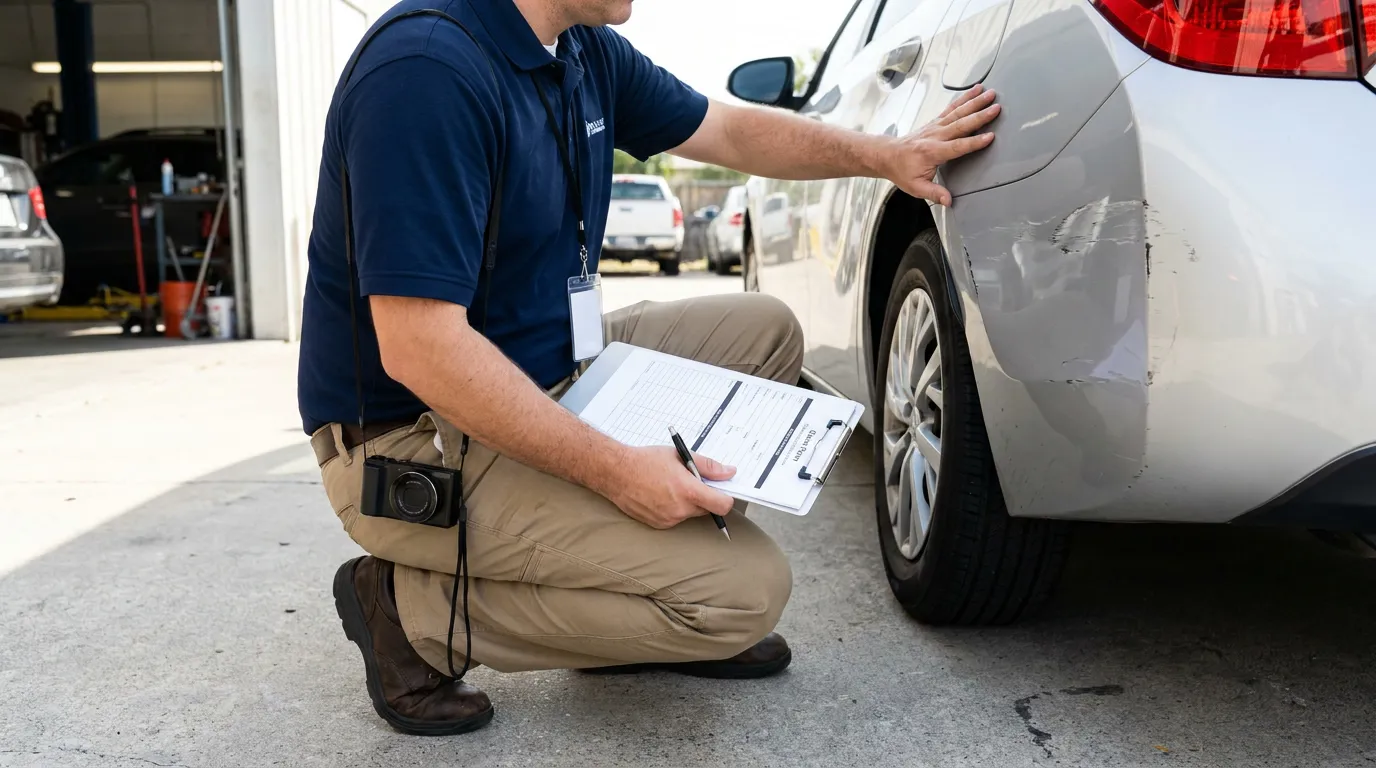
Under Miss. Code Ann. § 83-11-103(c)(v), to recover for bodily injury caused by an unknown driver, "actual physical contact must have occurred" between the unknown vehicle and the insured’s person or property. This rule often decides "miss-and-run" cases, where a driver forces you off the road without touching your car. Insurers often deny these claims on this basis. Paint transfer, physical damage, and witness statements may be key to showing contact happened.
Insurers may also question whether the crash happened the way you describe. Outside support, such as a police report or neutral witness statements, can make a big difference.
💡 Pro Tip: Do not repair your vehicle until you have photographed it from every angle. Scrapes and paint marks may be the only proof that the fleeing vehicle hit you.
Rejection Forms and Old Paperwork
UM coverage generally does not apply if a named insured rejected it in writing. Under Miss. Code Ann. § 83-11-101(1), that rejection may also carry over to renewals and certain replacement or transferred policies unless the named insured asks for the coverage in writing. Some insurers rely on a rejection form signed years ago to deny a claim.
The form itself matters. Miss. Code Ann. § 83-11-101(4) requires insurers to explain UM benefits on a form approved by the Department of Insurance. A properly signed rejection on that form generally binds everyone insured under the policy and creates a presumption that the person knew what they were rejecting. Whether the insurer used the right form and got a proper signature may be open to dispute, so ask for a copy of any rejection you supposedly signed.
Disputes Over Who Counts as an "Insured"
UM protection under Miss. Code Ann. § 83-11-103(b) reaches beyond the policyholder. It generally covers the named insured, plus a spouse and relatives living in the same household "while in a motor vehicle or otherwise." It also covers permitted drivers and guests, but only while in the insured vehicle. A pedestrian struck by a fleeing driver may therefore have a claim under their own policy or a resident relative’s policy. Insurers sometimes dispute whether you live in the household, so leases, mail, and your driver’s license address may matter.
Property Damage Limits Under Mississippi UM Coverage
Mississippi also requires property damage UM coverage unless it is rejected. Under Miss. Code Ann. § 83-11-101(2)-(3), this coverage may exclude the first $200 of property damage. It also does not have to cover damage already paid by insurance or another source, such as collision coverage.
When a Hit-and-Run Claim Denial May Signal Bad Faith
An insurer can lawfully dispute a claim, but it cannot delay or deny payment for any reason it likes. Whether a denial counts as Mississippi insurance bad faith generally depends on the facts. Courts look at whether the carrier had a legitimate or arguable basis for its position. Punitive damages usually also require proof of malice, gross negligence, or reckless disregard of the insured’s rights.
A bad faith UM claim is never guaranteed. Unexplained delays, ignored evidence, or a failure to investigate properly may be relevant. An honest dispute over fault or damages usually is not bad faith on its own.
Building a Strong Hit and Run Uninsured Motorist Claim Mississippi Insurers Must Take Seriously
Gathering strong records early is one of the best ways to respond when your insurer pushes back. Consider these steps:
- Call police right away and get the report number
- Collect names and contact information for witnesses
- Photograph vehicle damage, paint transfer, and the scene
- Get medical care promptly and follow your treatment plan
- Keep records of medical bills and lost wages
- Notify your insurer promptly, as your policy may require
Be careful when speaking with your own adjuster. Your policy may require you to cooperate, but the insurer may use recorded statements to question fault or the extent of your injuries. Speaking with a hit and run uninsured motorist claim Mississippi lawyer before giving detailed statements may help protect your claim.
💡 Pro Tip: Request a complete certified copy of your policy, including declarations pages and any UM selection or rejection forms. Adjusters sometimes summarize coverage in ways that leave out important details.
Frequently Asked Questions
1. Can I file a UM claim if the hit-and-run driver never touched my car?
For bodily injury claims involving an unknown driver, Mississippi requires actual physical contact with you or your property under Miss. Code Ann. § 83-11-103(c)(v). Insurers often deny miss-and-run claims, but the facts matter, so a lawyer’s review may still be worthwhile.
2. Will my insurer treat me like a customer or an opponent?
Your insurer generally takes the place of the at-fault driver on fault and damages, but it still owes you a duty of good faith. It may contest your claim the way an opposing party would.
3. What if my insurer says I rejected UM coverage?
Ask for a copy of the signed rejection. Under Miss. Code Ann. § 83-11-101(4), it must be on a form approved by the Department of Insurance. Whether it was valid may be open to dispute.
4. Am I covered if I was hit as a pedestrian?
Possibly. Under Miss. Code Ann. § 83-11-103(b), coverage extends to the named insured and resident relatives "while in a motor vehicle or otherwise." That can include people struck while walking, as long as the physical-contact rule and other policy conditions are met.
Protecting Your Rights After a Hit-and-Run
Your own insurer may fight your hit-and-run claim because Mississippi law generally makes it stand in for the missing driver. Carriers often rely on the physical-contact rule, old rejection forms, household disputes, and fault arguments. Strong evidence, careful communication, and a clear understanding of Miss. Code Ann. §§ 83-11-101 and 83-11-103 can help you respond. Every case depends on its facts, and no result is guaranteed.
You do not have to deal with your insurer alone. Mama Justice Law Firm can review your policy and help you understand your options. Call (833) 626-2587 or schedule your consultation today.
Disclaimer: This content is for informational purposes only and is not legal advice. Every case is unique, and results may vary. Consult an attorney about your specific circumstances.