
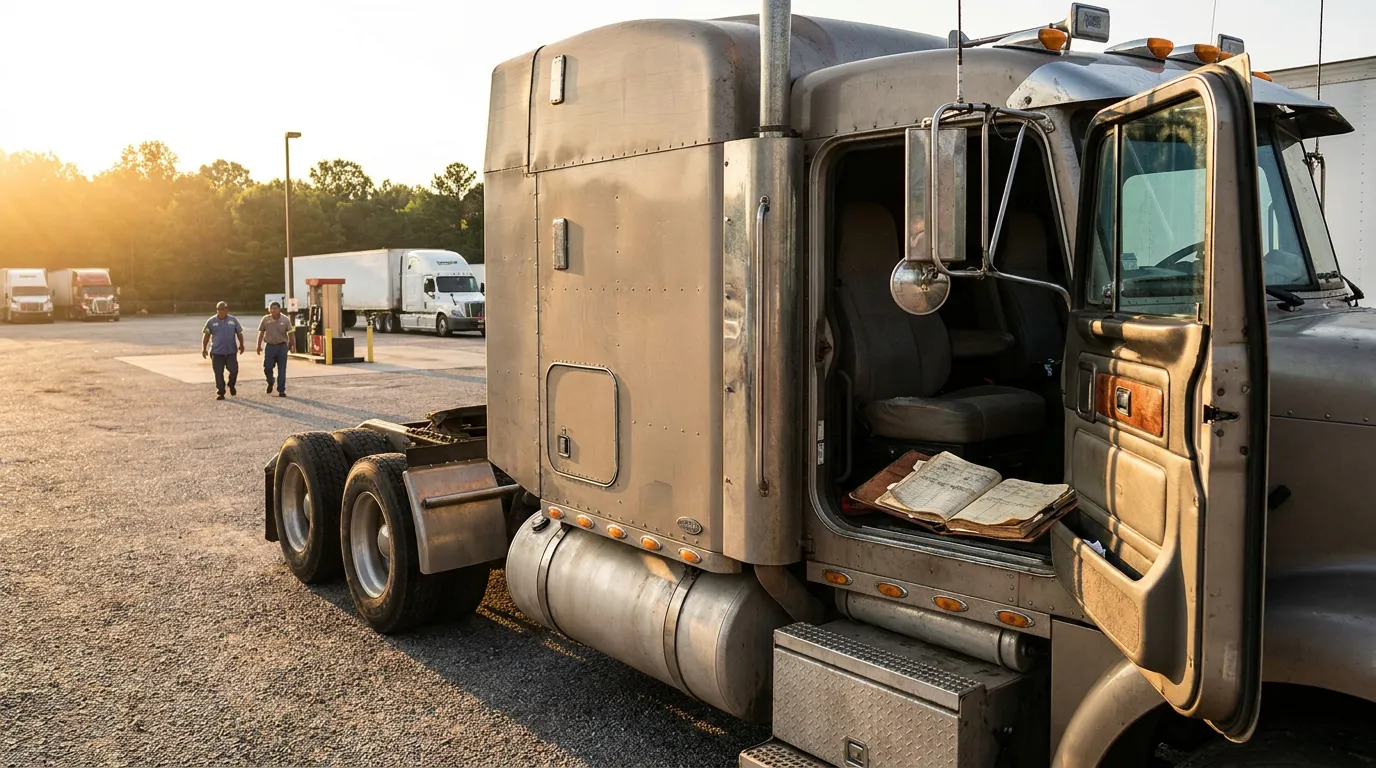
The Paper Trail That Can Prove a Truck Company Knew About a Dangerous Defect Key Takeaways: A DVIR, or driver vehicle inspection report, is a federally required record under 49 CFR 396.11 documenting whether a commercial truck’s core safety systems, brakes, steering, tires, coupling devices, lighting, and more, were working at the end of a…
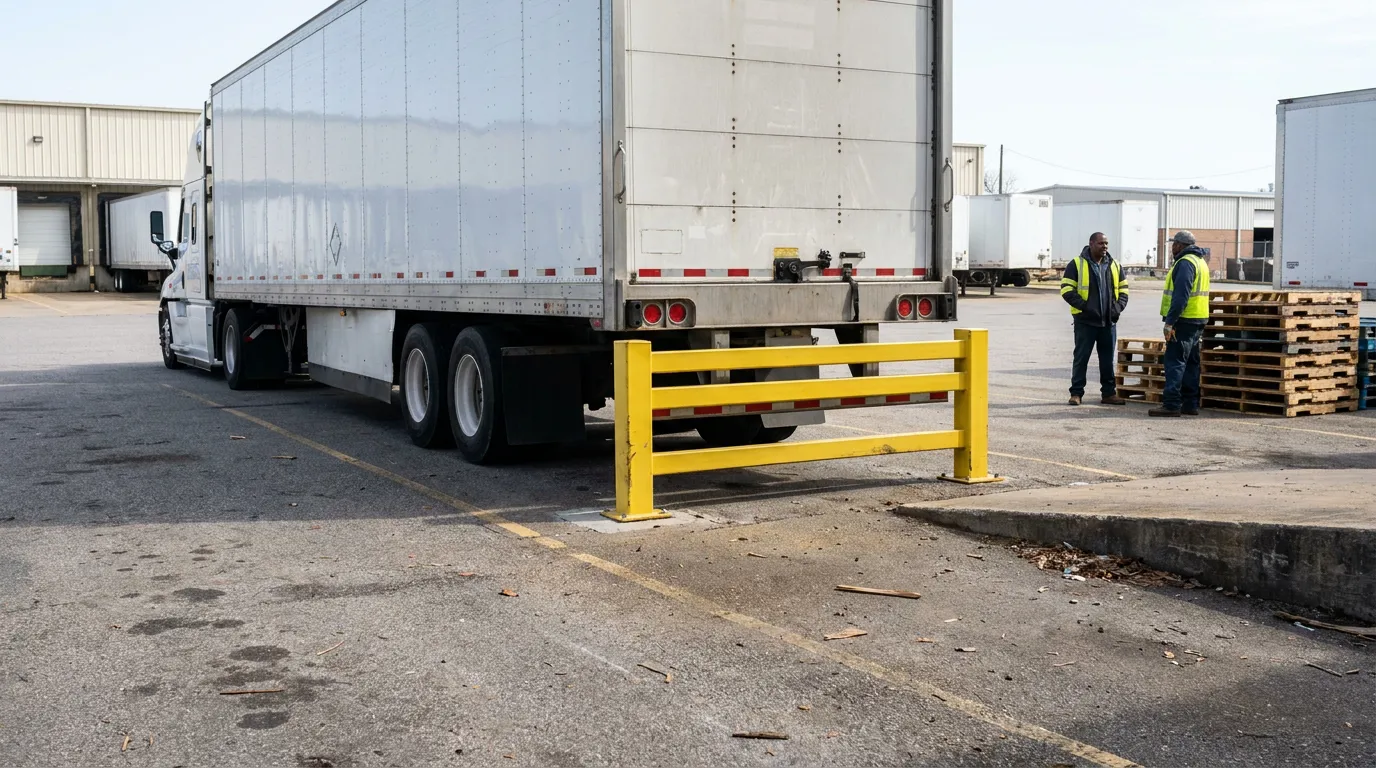
The Steel Bar That Should Have Stopped the Trailer Key Takeaways: FMVSS 223 sets federal performance requirements for rear impact guards on large trailers, while FMVSS 224 requires qualifying trailers (GVWR 4,536 kg or more) to have compliant guards installed per manufacturer’s instructions. In Memphis truck crash claims, a missing, defective, or improperly mounted guard…

Inside Mississippi 85-5-7 Several Liability Apportionment After the Latest Broker Verdicts Key Takeaways: Broker-liability disputes are putting Mississippi’s several-liability rules under a microscope, and the outcome can dramatically change what an injured victim actually recovers. Under Mississippi Code 85-5-7, joint and several liability has generally been abolished for fault-based cases, so each defendant is usually…
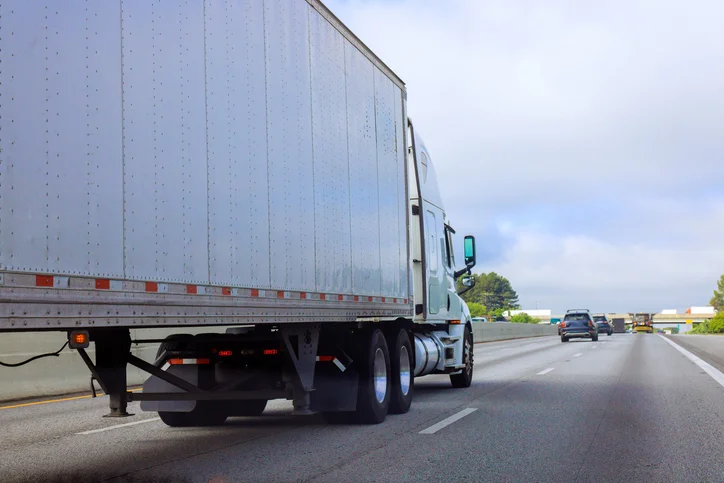
When you share I-55 and I-269 with 18-wheelers, you are at constant risk of being involved in a devastating motorcycle accident in Southaven caused by massive blind spots, deadly underride crashes, and unsecured cargo spilling onto the highway. A collision between a standard passenger car and an 80,000-pound commercial truck in Southaven almost always results…
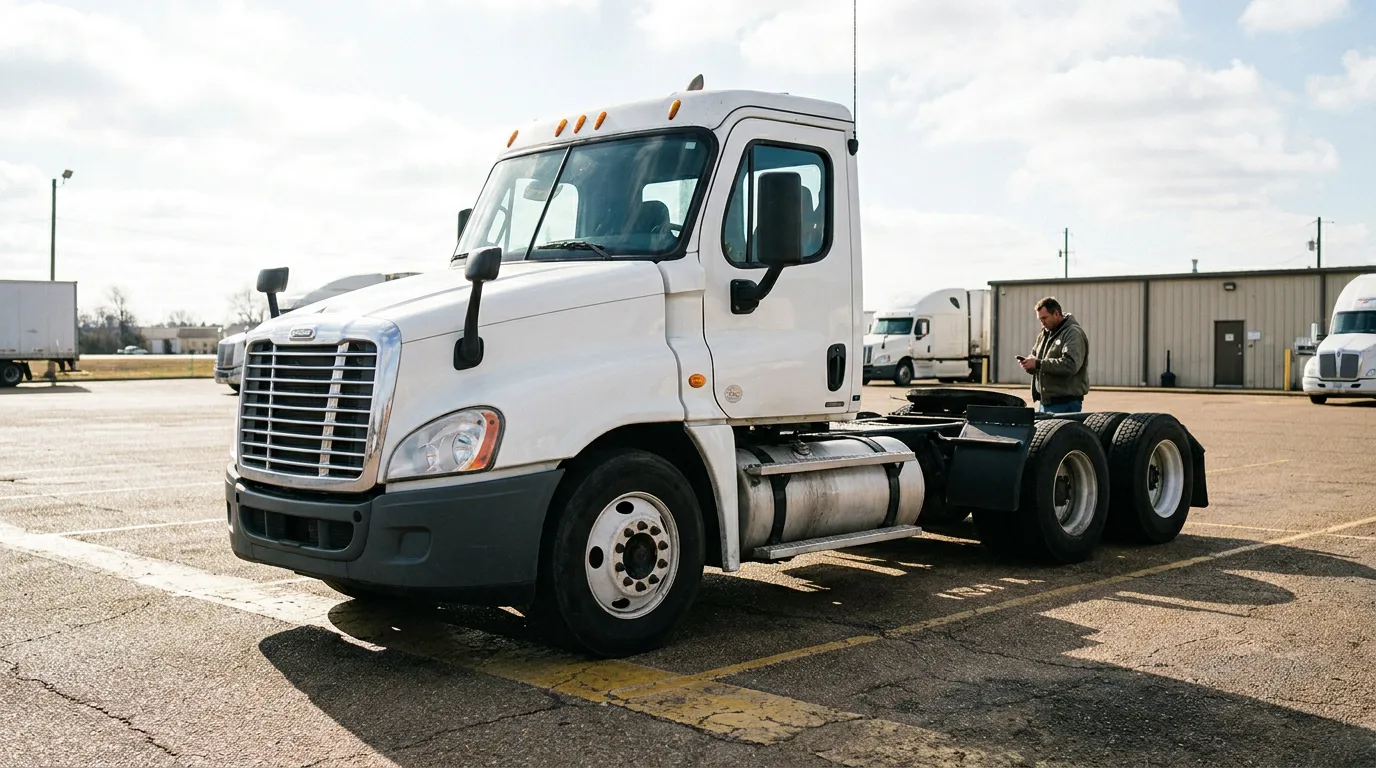
Understanding Who Foots the Bill After a Tupelo Semi-Truck Collision Key Takeaways: After an 18-wheeler crash in Tupelo, medical bills are paid through a layered system. Your auto medical coverage (MedPay or PIP) typically pays first regardless of fault, health insurance acts as secondary coverage once those limits are exhausted, and the at-fault trucking company…
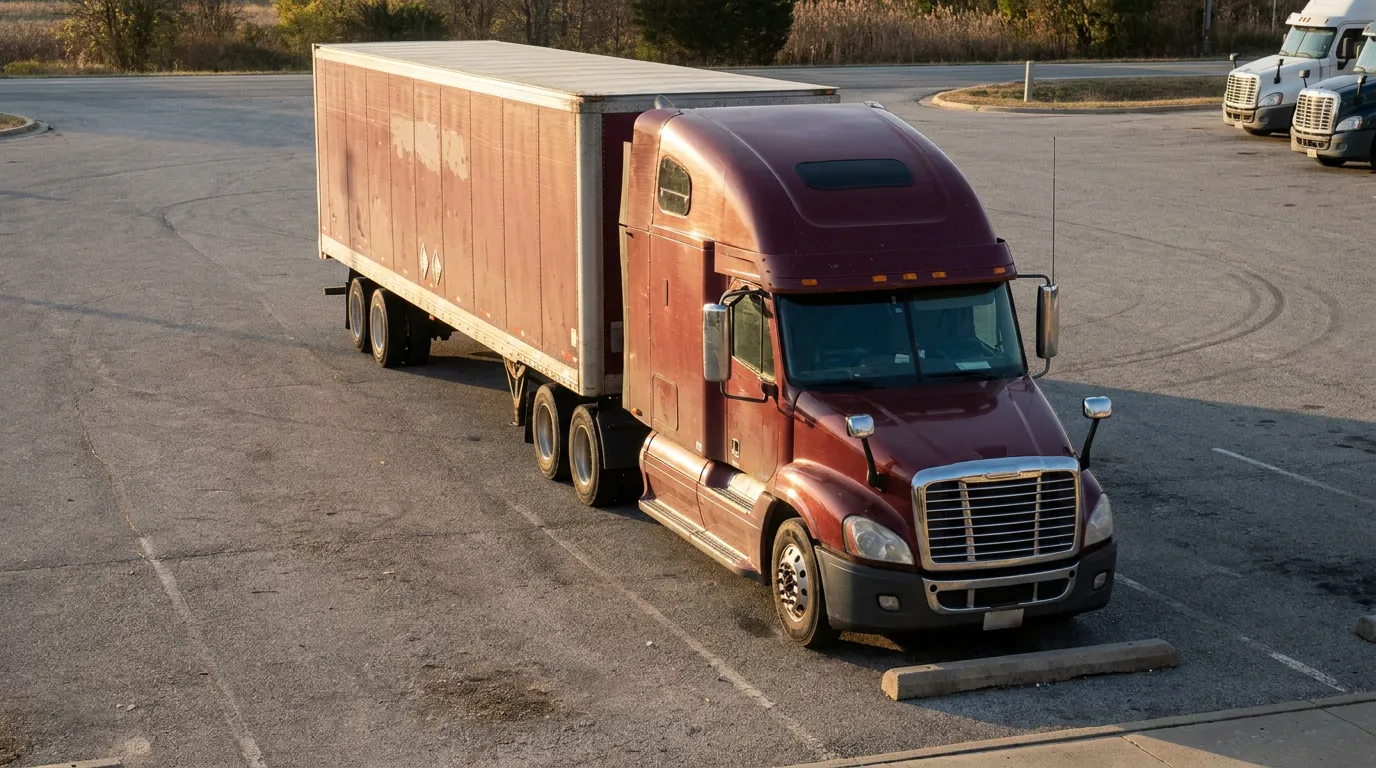
Understanding Fault When You Were Partly to Blame in a Decatur Semi-Truck Crash Key Takeaways: The last clear chance doctrine allows an injured person who was partly negligent to still recover damages when the other party had the final opportunity to avoid the collision but failed to act. This matters in Decatur because Alabama follows…
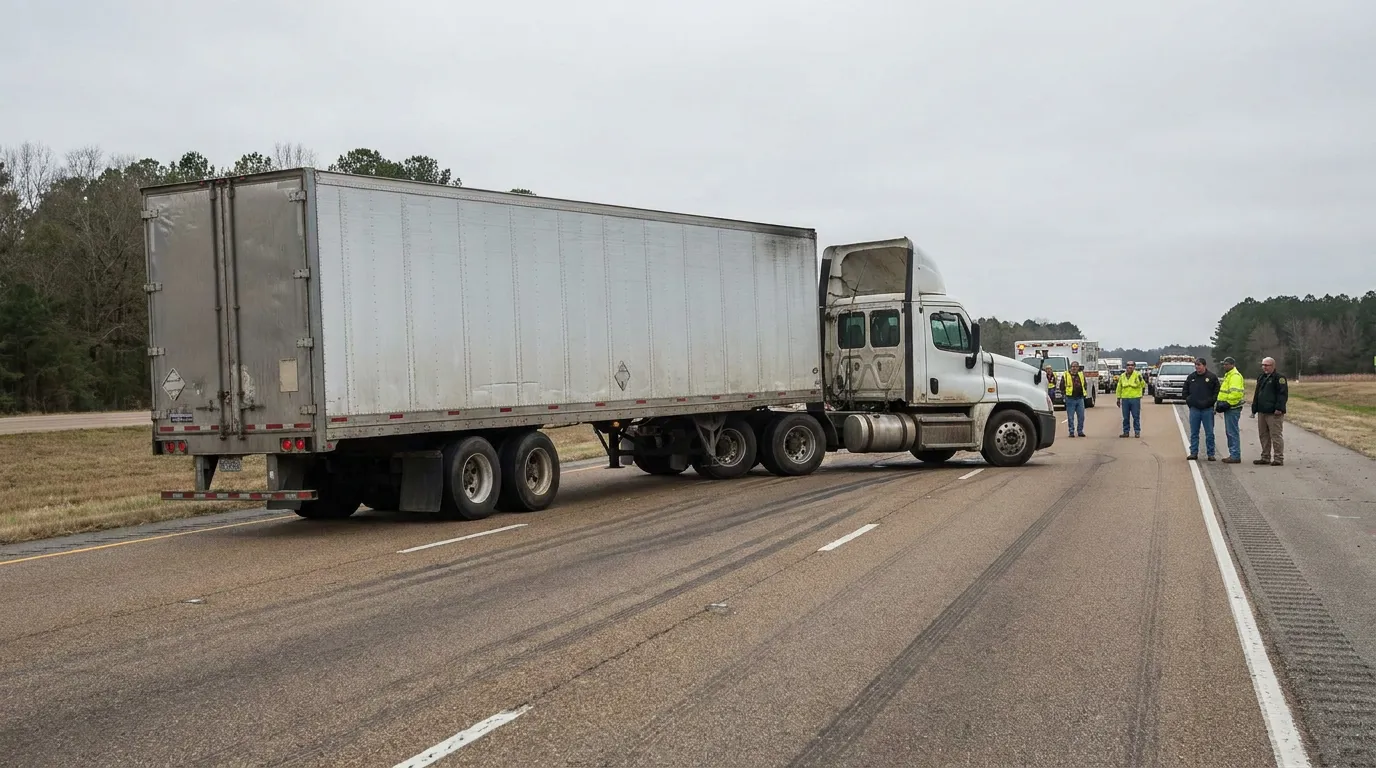
When an 18-Wheeler Loses Control: Understanding Jackknife Crash Liability Key Takeaways: After a jackknife semi-truck crash in Tupelo, liability often extends beyond the driver to the motor carrier, truck owner, leasing company, maintenance provider, or cargo loader. Mississippi Code Section 63-15-3 distinguishes the operator from the owner, helping identify accountable parties. Mississippi’s pure comparative negligence…
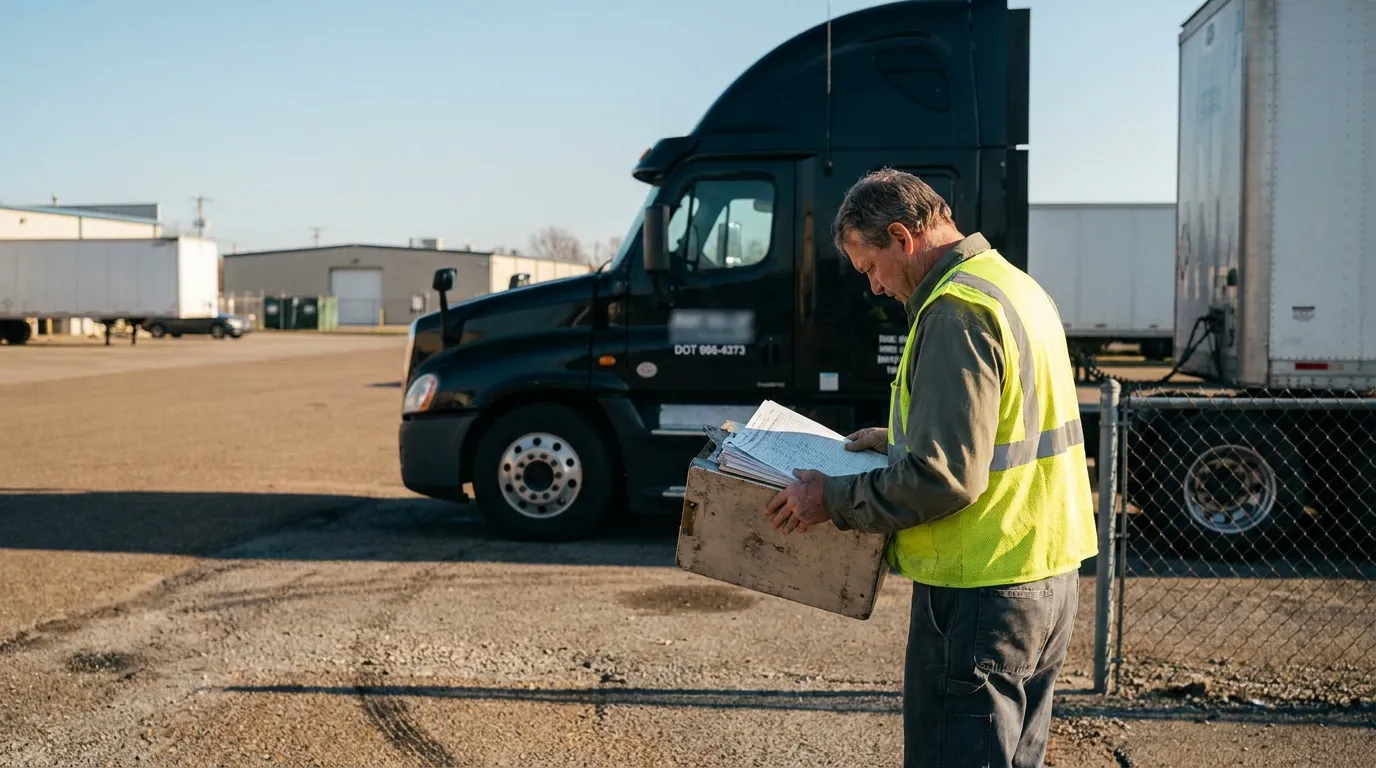
Understanding Why Truck Maintenance Files Become Critical Evidence Key Takeaways: After a Memphis 18-wheeler crash, multiple parties examine maintenance records, including plaintiff attorneys and investigators, the motor carrier and insurer, government safety auditors, and accident reconstruction professionals. Federal regulations under 49 CFR 396 require carriers to systematically inspect, repair, and maintain vehicles with dated records,…
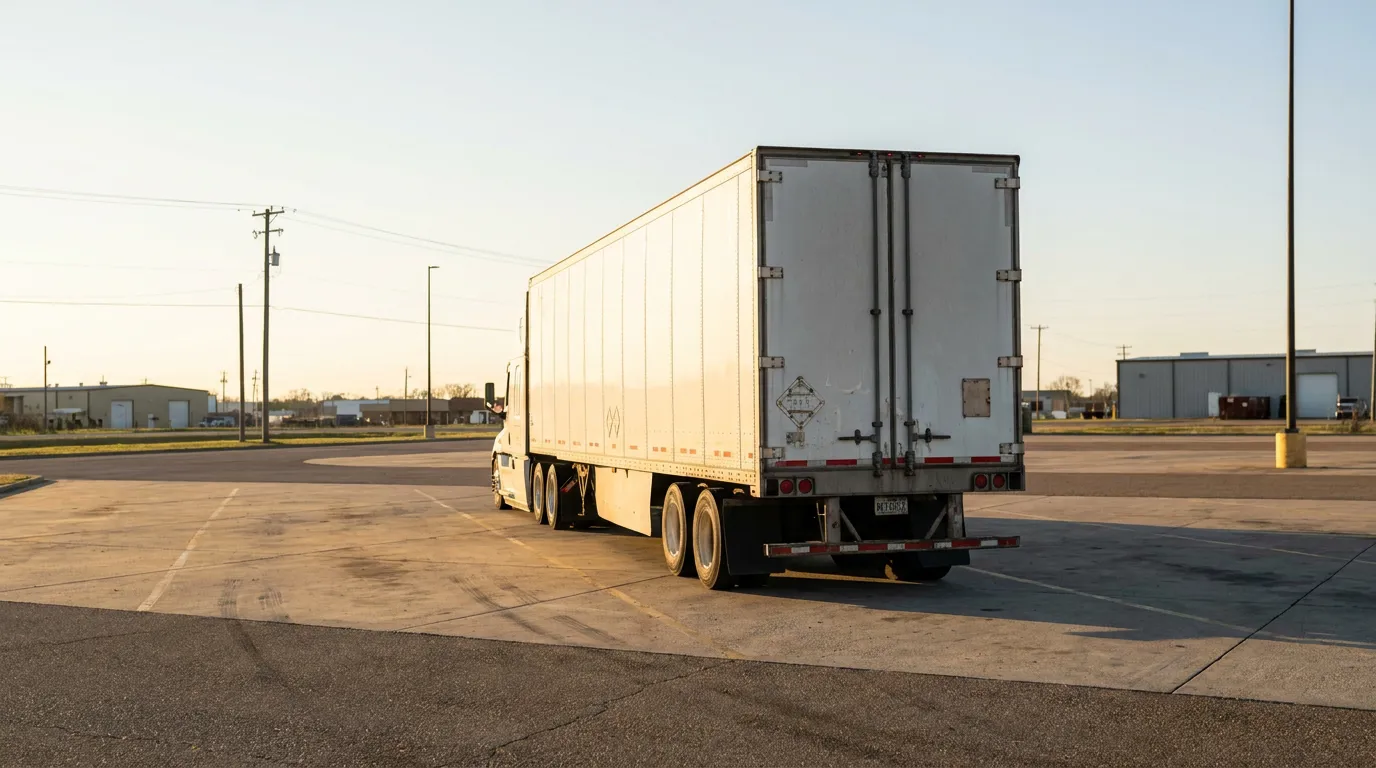
Facing the Aftermath of a Deadly Semi-Truck Crash in Tupelo Key Takeaways: After a fatal 18-wheeler accident in Tupelo, families should immediately preserve perishable evidence like ELD data, driver logs, and engine control module readings by sending a written preservation letter, while obtaining the crash report and avoiding recorded statements to insurers. Under Mississippi’s Wrongful…
How Driver Fatigue Can Influence a Jackson Semi-Truck Crash Case Key Takeaways: Driver fatigue in a Jackson semi-truck crash is investigated by the FMCSA and its special agents who enforce federal Hours of Service rules, state and local law enforcement who document the scene, and private attorneys and reconstruction professionals retained by the injured party….