
Understanding SkyCop Footage in Memphis Crash Claims
Key Takeaways: A Memphis car accident lawyer can use SkyCop camera footage as evidence when properly requested, preserved, and authenticated under Tennessee rules. These public surveillance cameras across Shelby County may capture the moments before, during, and after a crash, providing objective proof of how the collision unfolded and who was at fault. Because Tennessee follows a modified comparative fault system, even small shifts in fault percentage significantly affect recovery, making objective video especially valuable. However, footage works best alongside police reports, witness statements, and medical records to build a complete case. Since cameras often overwrite recordings within days or weeks, acting quickly to identify, request, and preserve footage is critical.
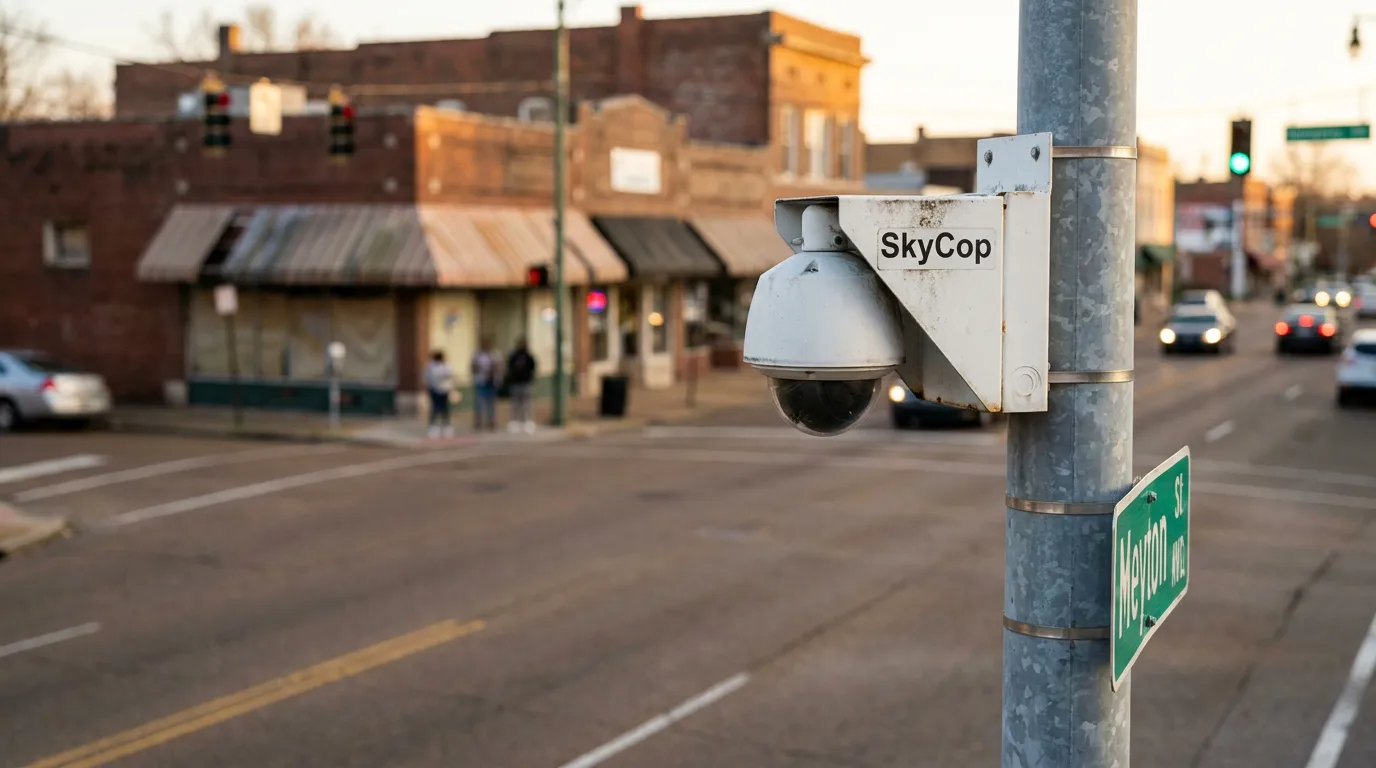
Yes, a Memphis car accident lawyer can often use SkyCop camera footage as evidence, provided the footage is properly requested, preserved, and authenticated under Tennessee rules. SkyCop cameras are part of a public surveillance network across Shelby County monitoring streets, intersections, and neighborhoods. When a crash happens within view, the recording may capture the moments before, during, and after impact, giving your attorney objective proof of the collision.
If you were injured in a Shelby County car crash, the team at Mama Justice Law Firm is ready to help protect your rights. Call us at (833) 626-2587 or reach out through our contact page to discuss how camera evidence may support your claim.
What SkyCop Cameras Are and Why They Matter
This Memphis crash video footage can be powerful because it removes guesswork from a claim. Rather than relying only on conflicting driver statements, your legal team may point to a recording showing who ran the light, who failed to yield, or who fled the scene. Objective evidence like this frequently shapes how insurers evaluate a case and how fault is assigned.
💡 Pro Tip: SkyCop and similar public cameras often overwrite recordings within days or weeks. Acting quickly to identify and request footage gives your attorney a far better chance of securing it before it is lost.
SkyCop cameras are stationary surveillance units positioned throughout Memphis to deter crime and monitor public spaces. Because many face roadways and intersections, they can incidentally record traffic collisions. For an injured driver, passenger, or pedestrian, that recording may become valuable Tennessee car accident evidence.
The value depends heavily on angle, distance, and clarity. A camera positioned directly above an intersection may clearly show a driver running a red light, while a camera further away may only capture partial movement. Your attorney reviews the quality and vantage point before determining how it fits into your case.
Where This Footage Fits Among Other Evidence
Camera footage rarely stands alone in a car accident claim. It usually works alongside police reports, witness statements, photographs, and medical records to create a complete narrative. If you need official documentation, our guide on how to obtain your Memphis accident report online walks you through the process.
Combining sources strengthens reliability. Video may confirm what a witness described, and a police report may explain what the footage does not capture. Courts consider the full body of evidence when weighing how a crash occurred.
How a Memphis Car Accident Lawyer Uses Camera Evidence
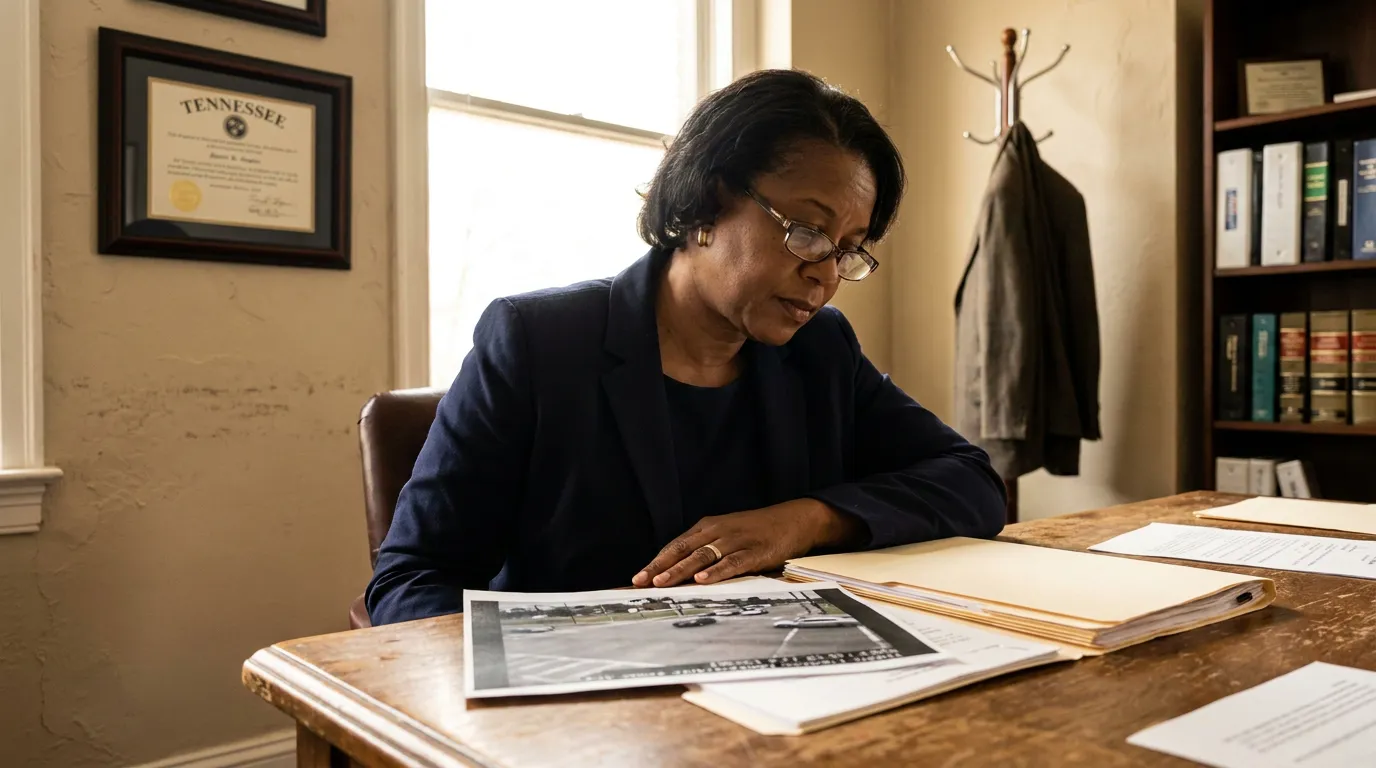
A memphis car accident lawyer typically uses SkyCop camera evidence to establish liability, counter insurer disputes, and support claim value. When fault is contested, footage serves as an independent account that neither driver can easily dispute. This is especially useful when an insurance adjuster attempts to shift blame onto the injured party.
Securing footage often requires formal requests directed to the agency controlling the camera network. Public surveillance systems are generally managed by law enforcement or municipal partners, and access may be subject to specific procedures and retention limits. An attorney experienced with Tennessee accident investigation understands how to pursue these records promptly.
💡 Pro Tip: Write down the exact location of your crash, including nearby cross streets and landmarks. This detail helps your attorney identify which cameras may have captured the collision.
Once footage is obtained, authentication becomes the next hurdle. Video must be shown to be accurate, unaltered, and relevant before admission. Tennessee courts decide what evidence is admissible in accident litigation, and your legal team may need to demonstrate chain of custody and reliability.
Common Challenges With Surveillance Footage Claims
Not every crash is captured, and not every recording survives long enough to help. Cameras may be obstructed, angled away from impact, or set to overwrite older footage automatically. These limitations mean surveillance footage should never be the only strategy.
- Footage may be deleted before a request is made
- The camera angle may not clearly show fault
- Access may require formal legal procedures
- Video quality may be too poor to identify key details
- Multiple agencies may need to be contacted
Because of these uncertainties, experienced attorneys pursue footage while simultaneously building the rest of the case. Relying on a single source of proof creates risk.
Tennessee Law on Fault and Why Video Evidence Counts
Tennessee follows a modified comparative fault system, which makes objective evidence like video especially important. Under the rule adopted in McIntyre v. Balentine, 833 S.W.2d 52 (Tenn. 1992), the Tennessee Supreme Court replaced contributory negligence with a system allowing a plaintiff to recover only if their own fault remains less than 50 percent of the total fault, the 49 percent rule.
Because recovery is scaled to the percentage of fault assigned, even a small shift can change a case significantly. As explained in general discussions of comparative negligence principles, a plaintiff’s damages are reduced according to their share of responsibility. If a court assigns a plaintiff 40 percent fault, that plaintiff recovers only 60 percent of damages.
This is where camera footage can be decisive. If SkyCop video helps lower the fault attributed to an injured client, it may keep that client below the threshold that would otherwise bar recovery entirely.
| Fault Assigned to Plaintiff | Effect Under Tennessee’s Modified Rule |
|---|---|
| Less than 50 percent of total fault | May recover reduced damages |
| 50 percent or more of total fault | Generally barred from recovery |
Tennessee statutes also reinforce why documenting a crash matters. Under Tenn. Code Ann. § 55-10-101, drivers involved in an accident resulting in injury or death must immediately stop at the scene and remain until fulfilling their statutory duties. You can review the duty to stop after a collision directly in the code.
Fleeing the scene carries meaningful criminal consequences. Leaving the scene of an accident involving injury may be charged as a Class A misdemeanor, and failing to stop when a death results can rise to a Class E felony. In hit-and-run situations, SkyCop footage may become critical for identifying a fleeing driver.
Preserving Surveillance Footage Before It Disappears
The most important step in any surveillance footage claim is acting fast. Public and private camera systems frequently delete recordings on short cycles, sometimes within days. Once footage is gone, it generally cannot be recovered, which can permanently weaken a claim.
💡 Pro Tip: If a nearby business also has cameras, ask an attorney to send a preservation letter quickly. Private footage often disappears even faster than public recordings.
A preservation request, sometimes called a spoliation letter, formally puts a camera operator on notice. This document requests that relevant footage be retained rather than overwritten. While it does not guarantee access, it creates a record and may support later arguments if evidence is improperly destroyed.
Steps You Can Take Right Away
There are practical actions injured people can take even before hiring counsel. Documenting the scene and noting nearby cameras preserves details that memory alone may lose.
- Photograph the intersection and any visible cameras
- Note the date, time, and exact location of the crash
- Collect names and contact information for witnesses
- Seek prompt medical care and keep all records
Prompt medical documentation matters just as much as video. Proving causation and damages requires a clear link between the crash and your injuries.
Frequently Asked Questions
1. Can I access SkyCop footage myself after a crash?
Access to public surveillance footage is generally restricted and controlled by the operating agency. Individuals often face procedural hurdles, and recordings may be released only through formal requests or legal process. An attorney can navigate these channels more efficiently before footage is overwritten.
2. How long do I have to file a car accident claim in Tennessee?
Tennessee generally applies a one-year statute of limitations for personal injury claims under Tenn. Code Ann. § 28-3-104. Certain narrow exceptions may apply in limited circumstances, such as when the injured person is a minor, and courts interpret such exceptions narrowly. Consult counsel promptly rather than assume any extension applies.
3. What if the SkyCop camera did not capture my crash?
A missing or obstructed recording does not end your claim. Attorneys routinely build cases using police reports, witness accounts, physical evidence, and medical records. Video is helpful, but only one of many forms of car accident evidence in Memphis.
4. Does camera footage guarantee I will win my case?
No form of evidence guarantees a particular outcome. Footage may strengthen a claim, but results depend on the full facts, applicable law, and how fault is assigned. This information is general and is not a substitute for individualized legal advice.
5. Can footage help in a hit-and-run case?
Surveillance video can be especially valuable when a driver flees the scene. It may capture a license plate, vehicle description, or direction of travel that helps identify the responsible party. Combined with a Tennessee accident investigation, this footage can support both civil and criminal accountability.
Building a Stronger Memphis Crash Claim
SkyCop camera footage can be a meaningful asset in a Memphis auto accident claim, but its usefulness depends on speed, quality, and proper handling. When properly secured and authenticated, this Memphis crash video footage may help establish fault, counter insurer tactics, and protect your ability to recover under Tennessee’s modified comparative fault rule. Footage works best as one part of a well-documented case that includes reports, witnesses, and medical records.
Because evidence can disappear quickly and legal deadlines are unforgiving, taking early action is critical. Understanding how the law treats fault, evidence, and accountability empowers injured people to make informed decisions.
If you or a loved one was hurt in a Shelby County car crash, Mama Justice Law Firm is here to help you pursue fair compensation. Call our team at (833) 626-2587 or send us your case details online so we can begin protecting your rights and preserving the evidence that matters.