
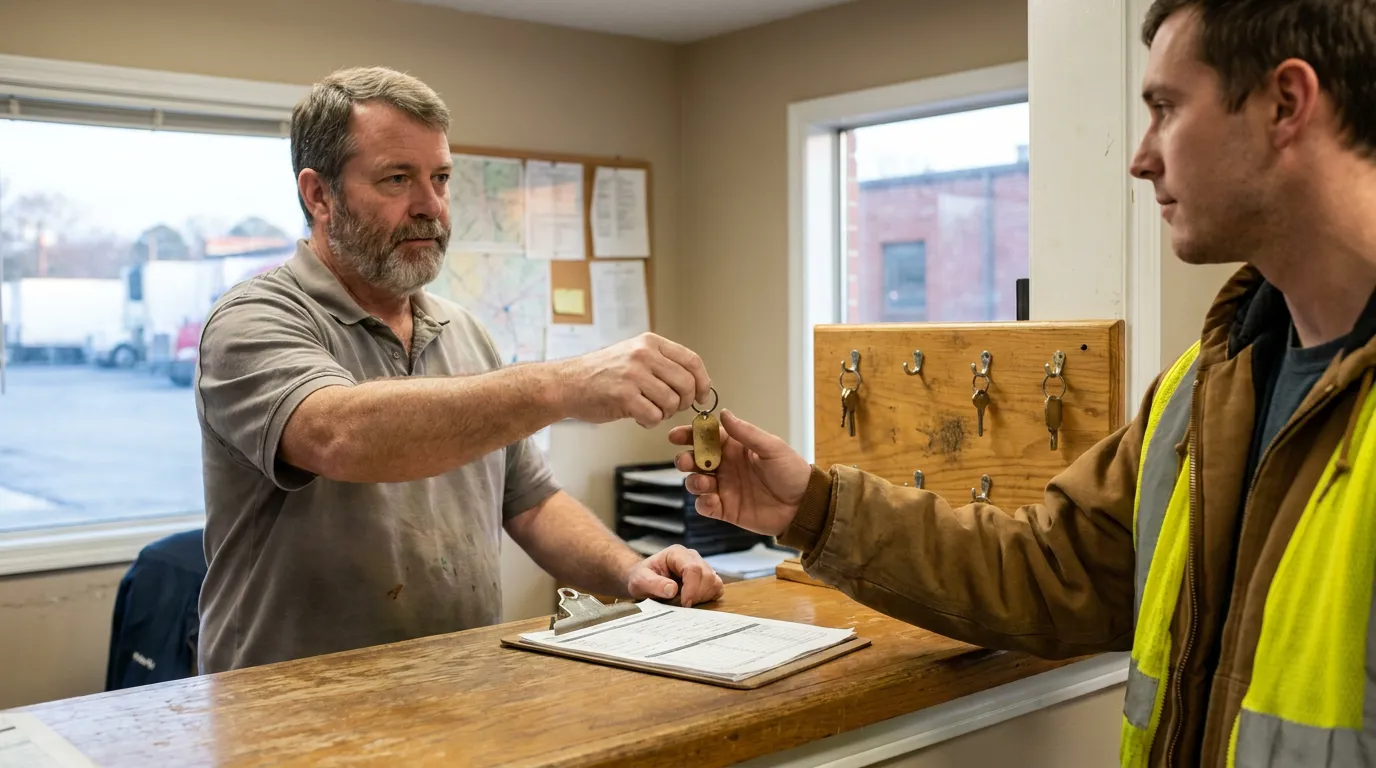
Why Decatur Crash Victims Are Paying Closer Attention to Negligent Entrustment Claims
Key Takeaways: A negligent entrustment truck accident claim allows an injured person to hold a vehicle owner or trucking company directly responsible for putting an unfit driver behind the wheel. Alabama Supreme Court precedent sets out the core elements a plaintiff must prove, while federal regulations shape what a motor carrier should have known before hiring. This theory is separate from vicarious liability and can reach the company itself, not only the driver. Constructive knowledge, meaning what an owner should have discovered, is often the central battleground. Evidence such as the driver qualification file, safety history, and medical certification can make or break a case. Outcomes always depend on specific facts, so early legal guidance in Decatur matters.
Injured victims in Decatur are increasingly asking whether a trucking company, and not just the driver, can be held accountable after a devastating crash. The answer, in many cases, turns on a doctrine called negligent entrustment. When a company hands the keys of an 80,000-pound rig to someone it knew or should have known was dangerous, Alabama law may allow direct claims against that company. For families facing catastrophic injuries, mounting medical bills, and lost income, understanding this path can reshape how they pursue fair compensation.
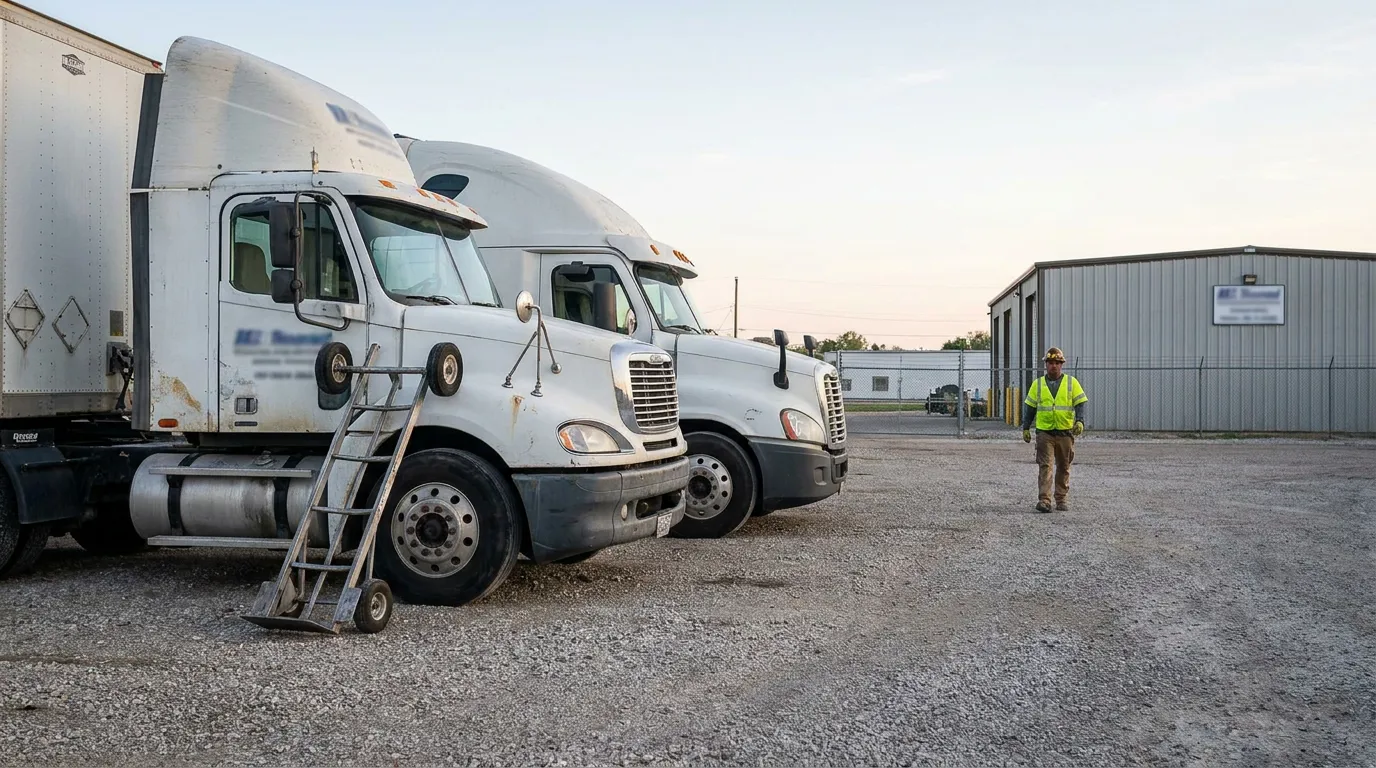
The Legal Foundation Behind a Negligent Entrustment Truck Accident Claim
Alabama courts recognize negligent entrustment as an independent theory of liability rooted in decades of state precedent.
Alabama courts require plaintiffs asserting negligent entrustment to show the owner or entrustor knew or should have known of the driver’s incompetence, recklessness, or unfitness to operate the vehicle safely, and that this entrustment proximately caused the resulting injury.
These standards trace back to long-standing rulings from the state’s highest court, which you can review through published records of the Alabama entrustor liability standards.
The elements are specific, and each one must be satisfied for a claim to survive.
Alabama Supreme Court precedent defines the elements required to prove negligent entrustment: an entrustment of a vehicle, to an incompetent driver, with knowledge of that incompetence, proximately causing damages to the plaintiff.
Because these decisions come from Alabama’s highest court, they carry weight statewide.
Alabama Supreme Court decisions are binding precedent statewide, including in Morgan County Circuit Court where Decatur negligent entrustment truck accident claims would typically be litigated.
Entrustment Versus Vicarious Liability
Negligent entrustment is not the same as holding an employer responsible for an employee’s conduct.
Negligent entrustment is a distinct theory of liability separate from vicarious liability, which helps explain why a trucking company or vehicle owner, not just the driver, can be held directly liable for its own conduct in entrusting the vehicle.
This distinction matters because it targets the company’s own decision-making. To understand the related doctrine that focuses on the employment relationship itself, readers can explore how vicarious liability works in a Decatur semi-truck case.
A Decatur Scenario: When a Carrier Ignores the Warning Signs
Imagine a family driving along Highway 31 near Decatur when a loaded semi runs a red light and causes a catastrophic collision. In the aftermath, they learn the driver had a documented history of unsafe driving that the carrier could have uncovered before hiring. For the injured passengers facing surgeries and lost wages, this fact pattern is where a negligent entrustment theory becomes powerful.
In this scenario, the question is not only whether the driver was negligent, but whether the company should have kept that driver off the road. If the carrier skipped required background checks or ignored red flags, the family may pursue the company directly. This is often the difference between a limited recovery and one that fully reflects the harm suffered, though every result depends on the underlying facts and available evidence.
How Federal Rules Strengthen an Injured Victim’s Position
Federal regulations set baseline duties that many negligent entrustment claims rely on to show a carrier fell short.
Federal law requires motor carriers to ensure drivers meet minimum qualifications before entrustment, including being physically qualified, holding a valid CDL, and having an acceptable driving record, and a carrier’s failure to verify these can support a negligent entrustment claim.
These duties are laid out in the federal driver qualification rules that govern interstate trucking.
Several regulatory requirements frequently surface as evidence of motor carrier negligence. These obligations create a paper trail that skilled counsel can examine after a crash. Common examples include:
-
Investigating a driver’s safety performance history with Department of Transportation-regulated employers for the preceding three years.
-
Obtaining the applicant’s driving record from each state where the driver held a license or permit in the past three years.
-
Confirming medical qualification standards and a valid medical examiner’s certificate.
-
Verifying that the driver holds the proper commercial license for the class of vehicle operated.
The Driver Qualification File
The driver qualification file is often the single most important document in a trucking case. This file should contain the safety history, license verification, and medical certification the regulations require. When a carrier cannot produce a complete file, that gap may support an inference that it failed to screen the driver properly, subject to how the court weighs the evidence.
Proving the Owner Knew or Should Have Known
The knowledge element frequently decides whether a negligent entrustment truck accident claim succeeds or fails.
Alabama courts evaluate whether an employer or vehicle owner knew or should have known of a driver’s incompetence or history of unsafe driving before entrusting them with a vehicle, a key factual issue in commercial trucking cases.
This "should have known" standard is what lawyers call constructive knowledge, and it can hold a company responsible even without direct proof of actual awareness.
Constructive knowledge does not apply automatically, and courts examine the facts closely. A plaintiff generally must connect the dots between what a reasonable inquiry would have revealed and the harm that followed. Under certain circumstances, a poor safety record, prior violations, or an incomplete hiring process may support the claim, but the analysis remains fact-dependent.
Common Challenges Victims Face
Even strong cases face real obstacles that injured people should anticipate. Evidence can disappear quickly, and carriers may move to protect internal records. Practical steps that often help include acting promptly to preserve electronic logs, requesting the driver qualification file early, and documenting the full scope of economic and non-economic damages before memories fade and data cycles out. Working with a negligent entrustment truck accident claim lawyer can help families navigate these hurdles while deadlines run.
How Does This Impact Me?
What Does Negligent Entrustment Mean for My Case in Decatur?
It may give you a claim against the trucking company itself, not only the driver. If evidence shows the company entrusted a rig to an unfit driver it should have screened out, you may be able to pursue trucking company liability directly. Because the doctrine is fact-sensitive, an individual review of your circumstances is essential.
How Do I Prove the Company Should Have Known?
You generally build this through documents the carrier was required to keep. Records such as the safety performance history, state driving records, and medical certification can reveal what a reasonable inquiry would have uncovered. Constructive knowledge is often established through these files, though courts weigh each piece carefully.
Does This Change My Deadline to File?
Filing deadlines in Alabama are set by statute and courts interpret exceptions narrowly. Alabama’s personal injury statute of limitations generally allows two years from the date of injury, but this can vary based on the facts, the parties, and the type of claim. Tolling or discovery-based extensions may apply only in limited circumstances and are never guaranteed, so confirming your specific deadline early is important.
What Should I Do Next After a Serious Truck Crash?
Preserving evidence quickly is often the most valuable early step. Electronic logging data, maintenance records, and driver files can be time-sensitive, so sending preservation requests promptly may protect your claim. Gathering medical documentation and consulting counsel early can also help you identify every potentially liable party.
Can More Than One Party Be Held Responsible?
Yes, multiple parties may share liability depending on the facts. A claim could involve the driver, the motor carrier, and in some cases a cargo loader or maintenance provider. Identifying all responsible parties is central to fully documenting your damages and pursuing fair compensation. Keep in mind that Alabama follows a contributory negligence rule, which can affect recovery when the injured party is found at fault.
Moving Forward After a Serious Truck Crash in Decatur
A negligent entrustment theory can open the door to accountability that reaches beyond the driver. By focusing on what a trucking company knew or should have known, Alabama law gives injured victims and grieving families a meaningful path toward recovery. Still, these cases hinge on specific facts, careful evidence preservation, and accurate application of both state precedent and federal regulations, so no outcome is ever assured. The material here is general information and is not individualized legal advice.
If you or a loved one was seriously hurt in a Decatur semi-truck collision, timely guidance can make a real difference. The team at Mama Justice Law Firm is available to discuss how these legal standards may apply to your situation. You can call [(833) 626-2587]((833) 626-2587) or reach out to our team today to learn more about your options.