
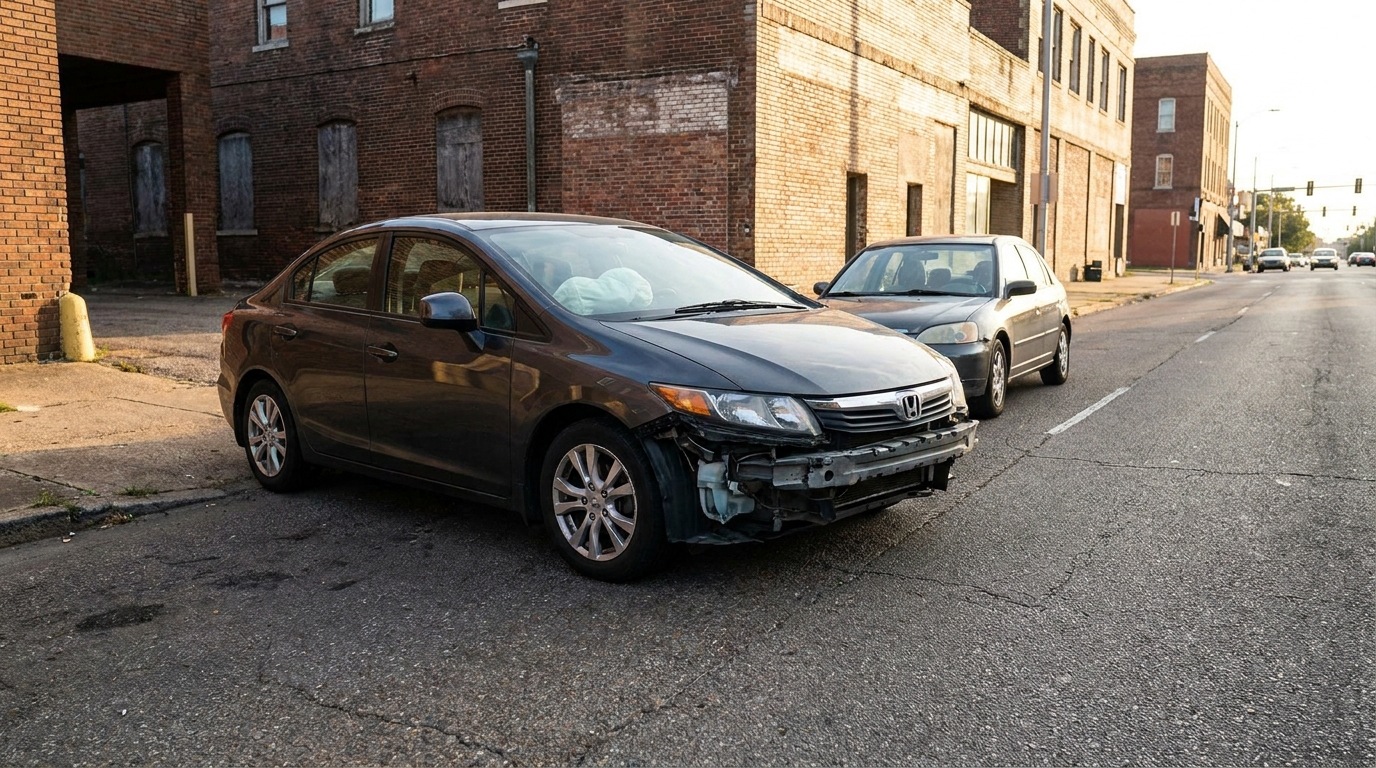
Understanding Tennessee’s At-Fault Insurance System After a Memphis Car Crash
If you were recently hurt in a car accident in Memphis, one of your first questions may be: is Tennessee a no fault state? The short answer is no. Tennessee operates under a fault-based system, meaning the driver who caused the crash is financially responsible for resulting injuries and losses. Unlike no-fault states where each driver’s insurance pays regardless of blame, Tennessee requires the injured party to prove the other driver’s negligence before recovering compensation. This distinction directly shapes how you file a claim, what evidence you need, and how much money you may ultimately receive. For Memphis car accident victims, understanding how fault works is the critical first step toward protecting your rights and pursuing fair compensation.
If you were injured in a Memphis crash and need guidance navigating the at-fault system, Mama Justice Law Firm is ready to help. Call (833) 626-2587 or reach out online to discuss your case today.
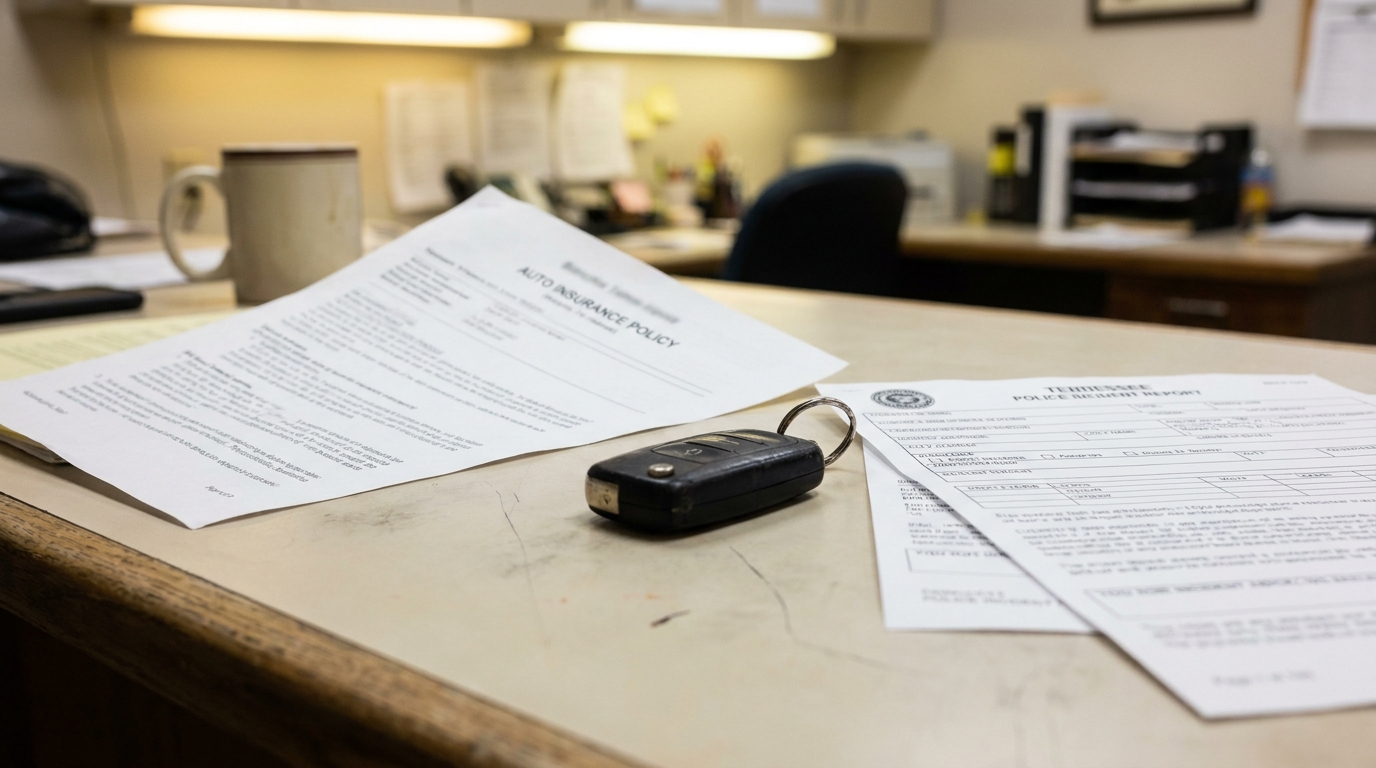
How the Fault-Based System in Tennessee Works
In a fault-based system, the person who caused the accident bears legal and financial liability for the resulting harm. Tennessee law requires the injured party to establish that the other driver was negligent. This means showing the at-fault driver owed a duty of care, breached that duty, and that the breach directly caused your injuries. Proving fault in a Memphis crash often relies on police reports, witness statements, traffic camera footage, and medical records linking your injuries to the collision.
Tennessee requires drivers to carry minimum liability insurance coverage of 25/50/25. This means $25,000 per person for bodily injury, $50,000 per accident for bodily injury, and $25,000 for property damage. However, minimum coverage often falls short of covering serious injuries, which is why building a strong fault-based claim is essential for Memphis victims seeking full compensation.
💡 Pro Tip: Always request a copy of the official police report after your accident. This document often contains the responding officer’s assessment of fault, which can serve as valuable early evidence for your car accident claim in Memphis.
Is Tennessee a No Fault State? What Memphis Victims Need to Know
Tennessee is not a no-fault state. Because Tennessee uses a fault-based system, injured drivers cannot simply file a claim with their own insurer and receive automatic payment for medical bills. Instead, the injured party must pursue a claim against the at-fault driver’s liability insurance or file a personal injury lawsuit. This system places the burden of proof on the victim but also allows recovery of a broader range of damages, including medical expenses, lost wages, pain and suffering, and other compensable losses.
A few states still use the older contributory negligence doctrine, which completely bars recovery if the plaintiff is even slightly at fault. Tennessee, by contrast, uses a modified comparative negligence approach, which is significantly more favorable to injured plaintiffs. Understanding where Tennessee falls on this spectrum helps Memphis accident victims appreciate both their rights and responsibilities when pursuing a claim.
💡 Pro Tip: If an insurance adjuster contacts you soon after your crash, be cautious about providing recorded statements. Adjusters may use your words to argue you share more fault than you do, which can reduce or eliminate your recovery under Tennessee law.
How Comparative Negligence Affects Your Memphis Car Accident Claim
Comparative negligence is a legal principle that reduces the damages a plaintiff can recover based on their own percentage of fault in causing the accident. If a court or jury finds you partially responsible for the collision, your compensation gets reduced proportionally.
Pure vs. Modified Comparative Negligence
There are two main types of comparative negligence used across the United States: pure and modified. Under pure comparative negligence, a plaintiff who is 90% at fault can still recover 10% of their losses. Tennessee does not follow this approach.
Tennessee’s Modified 50 Percent Bar Rule
Tennessee applies the modified comparative negligence standard under a 50 percent bar rule. Under this rule, a plaintiff cannot recover any damages if found to be 50% or more at fault for the accident. If your fault is 49% or less, your damages are reduced by your percentage of responsibility. For example, if you suffered $100,000 in damages but were found 20% at fault, you could recover $80,000.
| Comparative Negligence Type | Recovery Allowed? | States Using This Approach |
|---|---|---|
| Pure Comparative Negligence | Yes, even at 99% fault (reduced by fault %) | California, New York, and others |
| Modified (50% Bar Rule) | Only if plaintiff is less than 50% at fault | Tennessee, and several other states |
| Modified (51% Bar Rule) | Only if plaintiff is 50% or less at fault | Texas, Illinois, and others |
| Contributory Negligence | No recovery if plaintiff has any fault | Alabama, Maryland, North Carolina, Virginia |
💡 Pro Tip: Document everything from the scene, including photos, contact information for witnesses, and your own written account of what happened. Strong evidence helps establish the other driver’s share of fault and protects your right to compensation under Tennessee’s comparative fault rules.
Tennessee’s Comparative Fault Joinder Statute: T.C.A. § 20-1-119
The comparative fault joinder statute, Tennessee Code Annotated § 20-1-119, has been in effect since 1993 and plays an important role in multi-party accident cases. Under the statute, when a defendant alleges in their answer that a non-party caused or contributed to the injury, the plaintiff is given 90 days to amend the complaint or file a separate action to bring that additional party into the lawsuit, even if the statute of limitations has otherwise run. For Memphis car accident victims, this means the driver you sue could attempt to shift blame to a third party or argue that you bear a larger share of responsibility.
Tennessee courts have interpreted this statute in decisions that shape how fault is allocated. For injured plaintiffs, the takeaway is clear: preserving evidence and building a thorough case are essential to counter any attempt to inflate your share of fault, as reinforced in analysis of these comparative fault principles.
The Real Cost of Memphis Car Accidents: Why Fault Matters
Traffic safety in Tennessee has worsened significantly over the past decade, making at-fault driver liability a growing concern for Memphis residents. Tennessee traffic fatalities increased 35% over the last decade, while the fatality rate per 100 million vehicle miles traveled increased 11%. These numbers reflect a statewide crisis directly impacting Memphis families.
The financial toll is staggering. Fatal and serious traffic crashes in Tennessee in 2023 caused an estimated $57 billion in societal harm, including $14.1 billion in economic costs and approximately $43 billion in quality-of-life costs. Risky driver behaviors, including speeding, failure to wear seatbelts, and impaired driving, have been identified as key factors in the national fatality increase since 2020. These behaviors are often the same negligent acts that establish fault in a car accident case.
💡 Pro Tip: If you suspect the other driver was speeding or impaired at the time of the crash, mention this to your attorney right away. Evidence of these behaviors can significantly strengthen your case for proving fault.
Steps to Protect Your Rights After an At-Fault Car Accident in Memphis
Taking the right steps immediately after a crash can make or break your ability to recover Tennessee accident compensation. Consider the following actions to protect your claim:
- Seek medical attention promptly, even if injuries seem minor. Delayed treatment can create gaps that insurers use to dispute causation.
- Gather evidence at the scene, including photos of vehicle damage, road conditions, traffic signals, and visible injuries.
- Obtain contact information from all witnesses and other drivers involved.
- Report the accident to law enforcement and request a copy of the police report.
- Avoid admitting fault at the scene or in conversations with insurance adjusters.
Tennessee imposes a one-year statute of limitations for personal injury claims, which is among the shortest in the country. Missing this deadline may permanently bar your claim. Acting quickly to learn how Tennessee’s at-fault insurance system affects your rights is essential.
💡 Pro Tip: Keep a detailed journal of your symptoms, medical visits, and how the injury affects your daily life. This personal record can support your claim for pain and suffering damages, which are often the most contested part of a Memphis personal injury claim.
Frequently Asked Questions
1. Is Tennessee a no fault state for car insurance purposes?
No. Tennessee is a fault-based, or "tort," state. The driver who caused the accident is responsible for covering the other party’s damages. Injured victims must file a claim against the at-fault driver’s insurance or pursue a lawsuit to recover compensation.
2. What happens if I am partially at fault for my Memphis car accident?
Under Tennessee’s modified comparative negligence rule with a 50 percent bar, you can still recover damages as long as your share of fault is less than 50%. Your total compensation will be reduced by your percentage of fault. If you are found 50% or more at fault, you cannot recover anything.
3. How do I prove fault after a car crash in Memphis?
Proving fault typically requires evidence such as police reports, witness testimony, traffic camera footage, medical records, and sometimes accident reconstruction analysis. The goal is to demonstrate that the other driver breached a duty of care and that this breach directly caused your injuries.
4. How long do I have to file a car accident injury claim in Tennessee?
Tennessee generally imposes a one-year statute of limitations for personal injury claims. While limited exceptions may apply under narrow circumstances, courts interpret these exceptions strictly. Consulting an attorney promptly helps ensure you do not miss critical deadlines.
5. What damages can I recover in a Memphis car accident claim?
If you establish that the other driver was at fault, you may be entitled to compensation for medical bills, lost wages, property damage, pain and suffering, and other related losses. The specific amount depends on the severity of your injuries and the facts of your case.
Moving Forward After a Memphis Car Accident
Navigating the fault-based system in Tennessee can feel overwhelming, but understanding your rights is the foundation of a strong claim. Tennessee is not a no-fault state, which means the at-fault driver bears responsibility for your injuries and losses. The modified comparative negligence rule, the one-year filing deadline, and insurance company tactics all underscore the importance of acting quickly, preserving evidence, and understanding the law. Every case depends on its specific facts, but informed victims are better positioned to pursue the compensation they deserve.
If you or a loved one has been hurt in a Memphis car accident, the team at Mama Justice Law Firm is here to help you understand your options. Call (833) 626-2587 or contact us today to get started on your Memphis car accident claim.