

What Grieving Tupelo Families Should Know About a Wrongful Death Attorney Mississippi Claim After the July 2026 Holiday Crashes
Key Takeaways: Mississippi Highway Patrol reported that troopers investigated 110 crashes over the July 2026 Independence Day holiday weekend, a sobering reminder of how dangerous the state’s roads become during holiday travel. Under Mississippi’s wrongful death statute, surviving spouses, children, parents, and estate representatives may generally pursue a claim when a loved one dies because of another driver’s negligence. Mississippi law typically allows three years to bring a negligence-based claim, though narrow exceptions can shorten or alter that window. Comparative fault, insurance policy limits, and the strength of crash-investigation evidence can all shape what a family may recover. This article explains the legal backdrop, offers a realistic Tupelo scenario, and answers common questions grieving families ask.
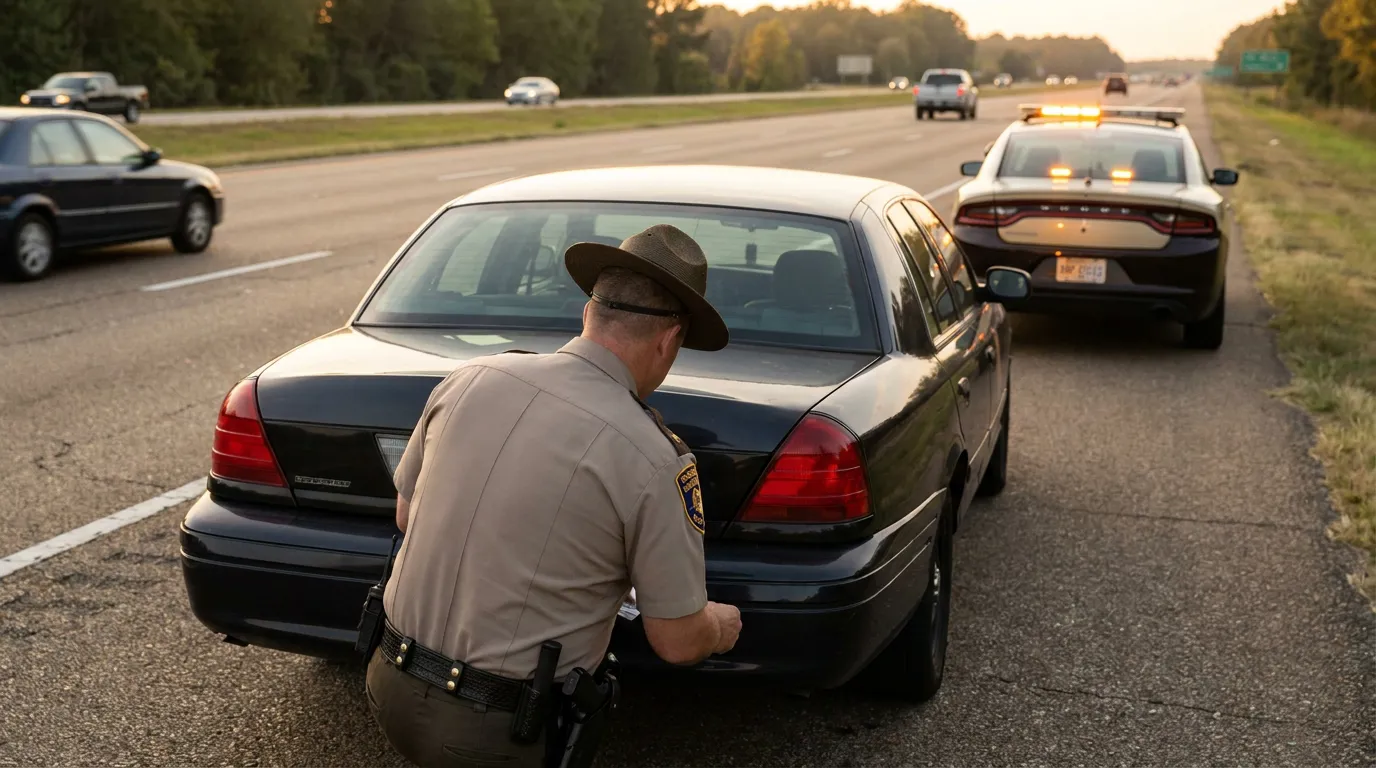
The Fourth of July weekend is one of the deadliest stretches of the year on American roadways, and the July 2026 holiday period was no exception in Mississippi. State troopers were called to investigate 110 crashes across the holiday weekend, a figure that underscores the toll of holiday weekend traffic deaths and serious injuries. For families in Tupelo and across Northeast Mississippi, each of those numbers can represent a life forever changed.
When a crash turns fatal, the loss is measured in far more than statistics. Families are left to navigate grief while also confronting funeral costs, lost income, and difficult questions about accountability. Understanding how Mississippi law treats a fatal accident investigation in Tupelo can help surviving relatives make informed decisions during an overwhelming time.
Why Holiday Weekends Produce More Fatal Crashes in Mississippi
Holiday travel concentrates more vehicles, longer trips, and unfortunately more impaired and reckless driving onto the same roads. National safety data consistently shows spikes in fatal collisions around major holidays, and the July 2026 weekend fits that troubling pattern. National researchers who track holiday traffic death trends have long documented how holiday periods elevate the risk of deadly collisions.
Mississippi negligence claims frequently arise from crashes caused by reckless or impaired driving. Speeding, distraction, and driving under the influence are among the behaviors that can establish the negligence needed to support a claim. When that negligence causes a death, the surviving family may have grounds to pursue a wrongful death action against the at-fault driver.
Trauma data helps illustrate the human cost behind the crash reports. A peer-reviewed retrospective cohort study drawing on the University of Mississippi Medical Center trauma registry documented an 18% increase in traumatic injuries during the first year of the COVID-19 pandemic, including a 20% rise in blunt-force injuries, the category that includes motor vehicle crashes. Most of those injuries were concentrated in the 16 to 45 age group, a reminder that fatal crashes often claim young working adults who leave dependents behind.
The Legal Framework Behind a Mississippi Wrongful Death Claim
Mississippi’s wrongful death statute allows those entitled to sue to pursue essentially any cause of action the deceased person could have brought had they survived. That includes negligence claims arising from a fatal traffic collision. In practical terms, families of victims killed in the July 2026 holiday crashes may generally pursue a claim against an at-fault driver whose negligence caused the death, subject to the specific facts of each case.
The statute also broadens the potential theories of recovery beyond simple driver negligence. Those entitled to bring a wrongful death action may assert claims for breach of express or implied warranty, which can matter when a defective vehicle or component contributed to a crash. This flexibility can be important during a thorough investigation into what actually caused a fatal wreck.
Timing is one of the most important considerations in any wrongful death case. Mississippi generally applies a three-year limitations period to negligence-based claims, but courts interpret exceptions narrowly, and different deadlines can apply depending on the circumstances. A claim involving a government vehicle, for example, falls under the Mississippi Tort Claims Act, which imposes a separate written notice-of-claim requirement and a shorter one-year limitations period distinct from the ordinary three-year civil statute of limitations. Because these deadlines are not automatic or guaranteed to extend, families are wise to confirm the applicable timeframe promptly.
How Fault and Insurance Can Affect Recovery
Mississippi follows a pure comparative fault system, meaning a partially at-fault victim may still recover reduced damages no matter how large their share of the fault. Under comparative negligence rules, courts reduce a plaintiff’s recovery according to the degree of fault each party contributed to the incident. If a court assigns 60% of the fault to the defendant and 40% to the plaintiff, the plaintiff may recover only 60% of the damages.
Insurance coverage often defines the practical ceiling on what a family can collect. Mississippi sets minimum liability limits of no less than $25,000 for bodily injury or death of one person, $50,000 for two or more people in one accident, and $25,000 for property damage. An at-fault driver may carry only these statutory minimums, which can affect the compensation ultimately available and makes identifying every applicable policy an important part of the process.
A Realistic Tupelo Scenario
Consider a Tupelo family whose father was killed when a speeding driver ran a red light during the holiday weekend. He leaves behind a spouse and two teenage children who depended on his income. In the days after the crash, the family faces funeral expenses and mounting uncertainty while troopers complete their fatal accident investigation.
In a situation like this, the surviving spouse or the estate’s personal representative may generally be entitled to bring a wrongful death claim. The family might seek recovery for funeral costs, lost financial support, loss of companionship, and emotional distress, depending on the evidence. Because outcomes turn on the specific facts, no result can be promised, but understanding the available legal avenues can help the family plan its next steps.
Crash-investigation evidence often becomes the backbone of a fatal collision case. Police reports, witness statements, vehicle data, and reconstruction findings can help establish negligence and causation. Families who want to understand what unfolds when troopers examine a serious wreck can learn from this overview of a Highway Patrol crash investigation and how those findings can support a claim.
Practical Steps for Surviving Families
Taking a few organized steps early can protect both a family’s legal options and its peace of mind. While every case is different, the following actions commonly help families in the aftermath of a fatal crash:
- Preserve documents such as the crash report, medical records, and funeral expense receipts.
- Identify potential witnesses and note any surveillance or dashcam footage before it disappears.
- Avoid giving recorded statements to the at-fault driver’s insurer before understanding your rights.
- Keep a record of financial losses, including the deceased’s income and benefits.
- Confirm the applicable filing deadline, since it may be shorter than expected in certain cases.
These steps are general guidance, not individualized legal advice. Because comparative fault, insurance limits, and procedural deadlines vary with the facts, a case-specific consultation is often the best way to understand available options. Families can review the firm’s wrongful death attorney Mississippi resources to learn more about how these claims typically proceed.
How Does This Impact Me?
What Does the July 2026 Crash Report Mean for My Family’s Claim?
The 110 crashes troopers investigated highlight how holiday negligence can lead to fatal outcomes. If your loved one died in a crash caused by another driver’s negligence, you may generally have grounds for a wrongful death claim. Whether the report supports your case depends on the specific findings and evidence.
Does the Three-Year Deadline Definitely Apply to My Case?
Mississippi generally applies a three-year limitations period to negligence-based claims, but it is not automatic in every situation. Claims involving government entities are governed by the Mississippi Tort Claims Act, which carries a separate notice requirement and a shorter one-year deadline, and courts interpret tolling or discovery exceptions narrowly. Certain intentional-tort theories may also carry a one-year deadline, so confirming your specific deadline early helps avoid losing the right to file.
Who in My Family Can Bring the Claim?
Mississippi’s statute generally permits surviving spouses, children, parents, and sometimes siblings, as well as the estate’s personal representative, to pursue a claim. The right party depends on the family structure and the facts. Coordinating among eligible relatives early can prevent procedural complications.
What Compensation Might Surviving Family Members Recover?
Depending on the evidence, families may seek funeral costs, lost financial support, loss of companionship, and emotional distress. The amount can be affected by comparative fault, applicable statutory caps on noneconomic damages, and the available insurance coverage. No specific outcome can be promised, since recovery is fact-dependent.
What Should I Do Next After a Fatal Crash?
Preserving evidence and confirming your deadline are usually the most time-sensitive priorities. Speaking with a knowledgeable attorney before dealing with insurers can help protect your interests. A consultation can clarify how the law applies to your particular circumstances.
Moving Forward After a Devastating Holiday Loss
The July 2026 holiday weekend crashes are a painful reminder that a single moment of negligence can permanently alter a Tupelo family’s future. Mississippi law provides grieving families meaningful avenues to seek accountability and compensation, though every claim depends on its own facts, deadlines, and available insurance. Understanding the comparative fault system, the wrongful death statute, and the strict timelines involved can help families make informed choices during an extraordinarily difficult period.
Families who have lost a loved one and want to understand their options do not have to navigate the process alone. If a recent fatal crash has affected your family, the team at Mama Justice Law Firm is available to discuss how Mississippi wrongful death law may apply to your situation. You can call [(833) 626-2587]((833) 626-2587) or contact us today to learn more about your potential options with a trusted wrongful death attorney Mississippi families rely on.