
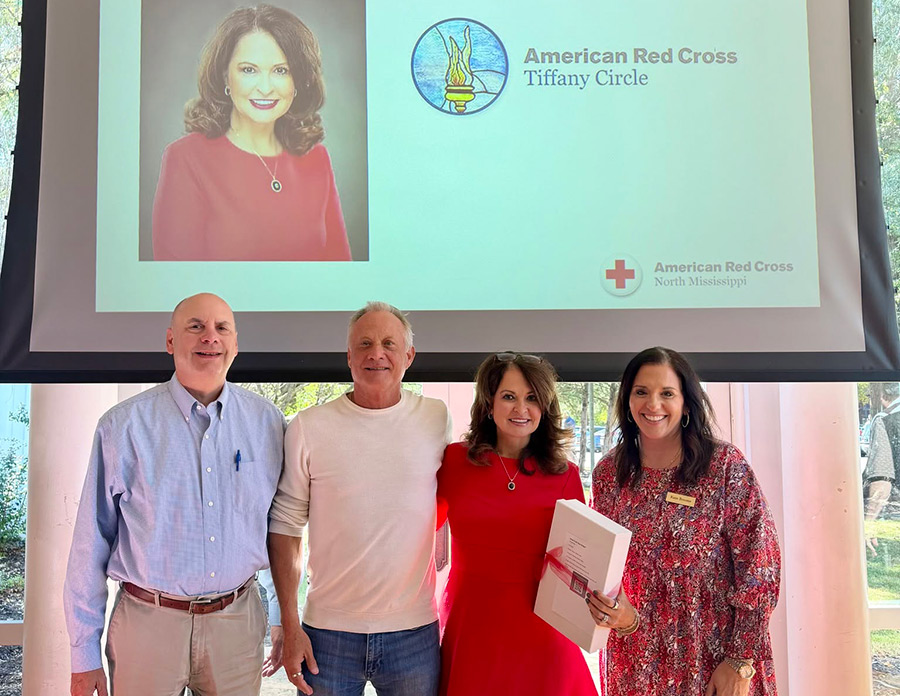
At Mama Justice, our mission has always extended far beyond the courtroom. We believe in standing by our neighbors when they need us most. That shared commitment to community care was on full display at the American Red Cross North Mississippi chapter annual meeting at the Tupelo Country Club. The event celebrated the vital work…

When a Trucking Company Says "That Driver Doesn’t Work for Us" Key Takeaways: The statutory employee doctrine may allow an injured person to hold a motor carrier responsible for a driver’s negligence even when a contract labels that driver an independent contractor. It arises from federal leasing regulations, particularly 49 C.F.R. § 376.12(c)(1), which requires…

Why a Prosthetic Limb Is Never a One-Time Expense in a Mississippi Injury Claim Key Takeaways: A prosthetic limb is typically a recurring lifetime expense, not a single purchase. Mississippi law treats future replacement costs as economic damages under Miss. Code Ann. § 11-1-60, generally not subject to the caps limiting noneconomic damages. Strong economic…
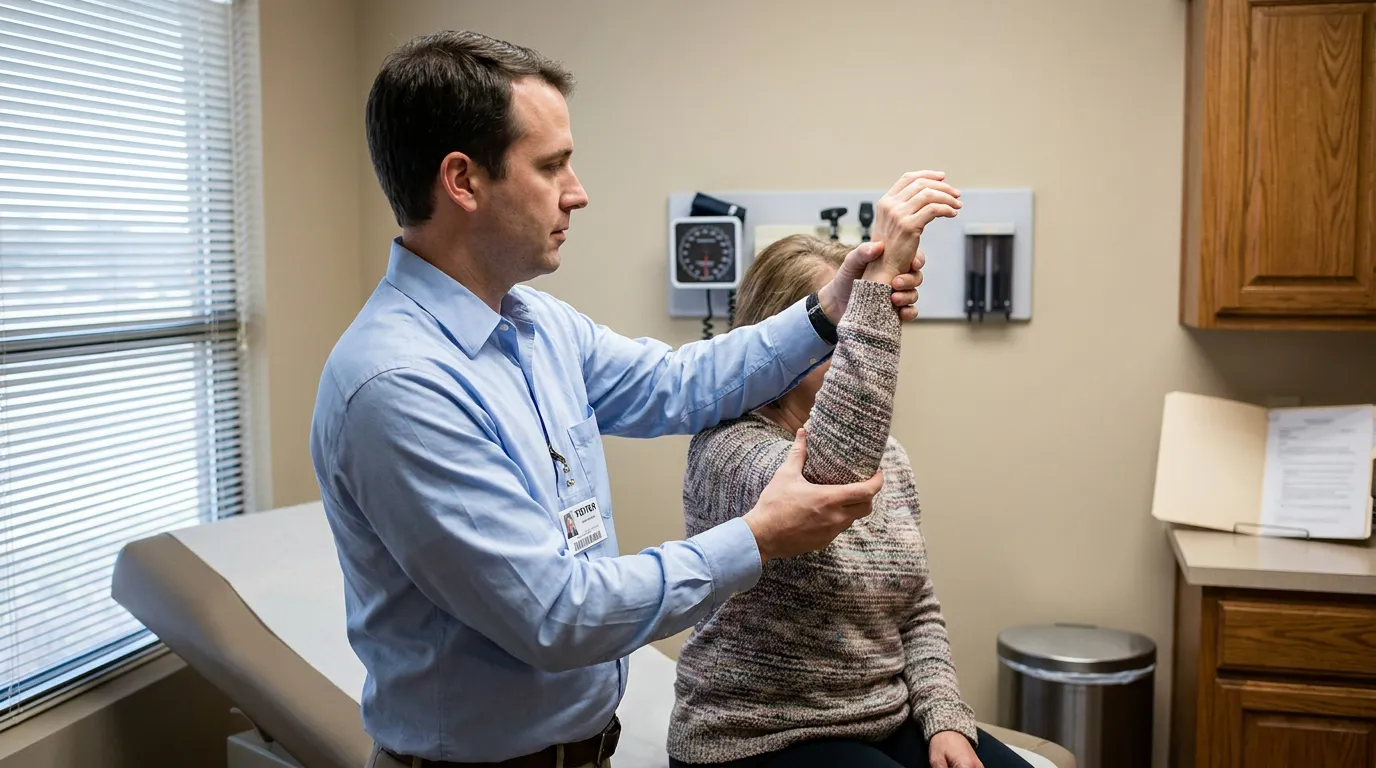
Understanding the Insurance Company’s Medical Exam Request After a Tupelo Crash Key Takeaways: An independent medical exam (IME) in a Tupelo car accident claim is a one-time evaluation performed by a physician chosen and paid for by the insurance company, not your own doctor. Insurers typically request one when injury value is disputed, treatment lasts…

How Alabama’s Rising Crash Fatalities Reshape Fault And Recovery For Decatur Families Key Takeaways: Alabama reportedly saw traffic deaths climb roughly 17% in early 2026, a trend that raises hard questions for Decatur crash victims. Alabama follows a strict contributory negligence rule, and the Alabama last clear chance doctrine is one of the few pathways…
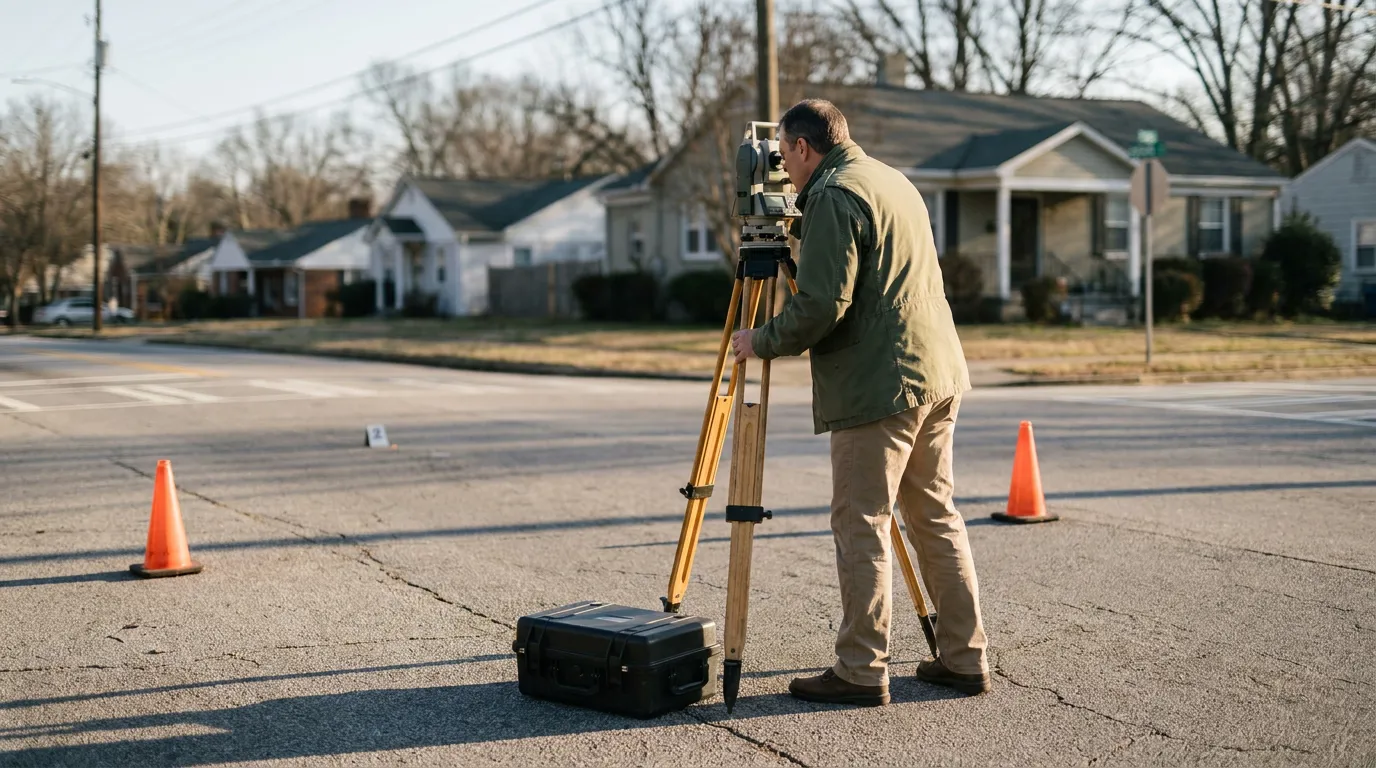
How Crash Science Helps Decatur Families Prove What Really Happened Key Takeaways: An accident reconstruction expert in a Decatur fatal crash case uses physics, engineering analysis, and physical evidence to help determine speed, right-of-way, braking, and the forces that may have caused fatal injuries. The work typically includes scene measurements, vehicle crush profiles, event data…
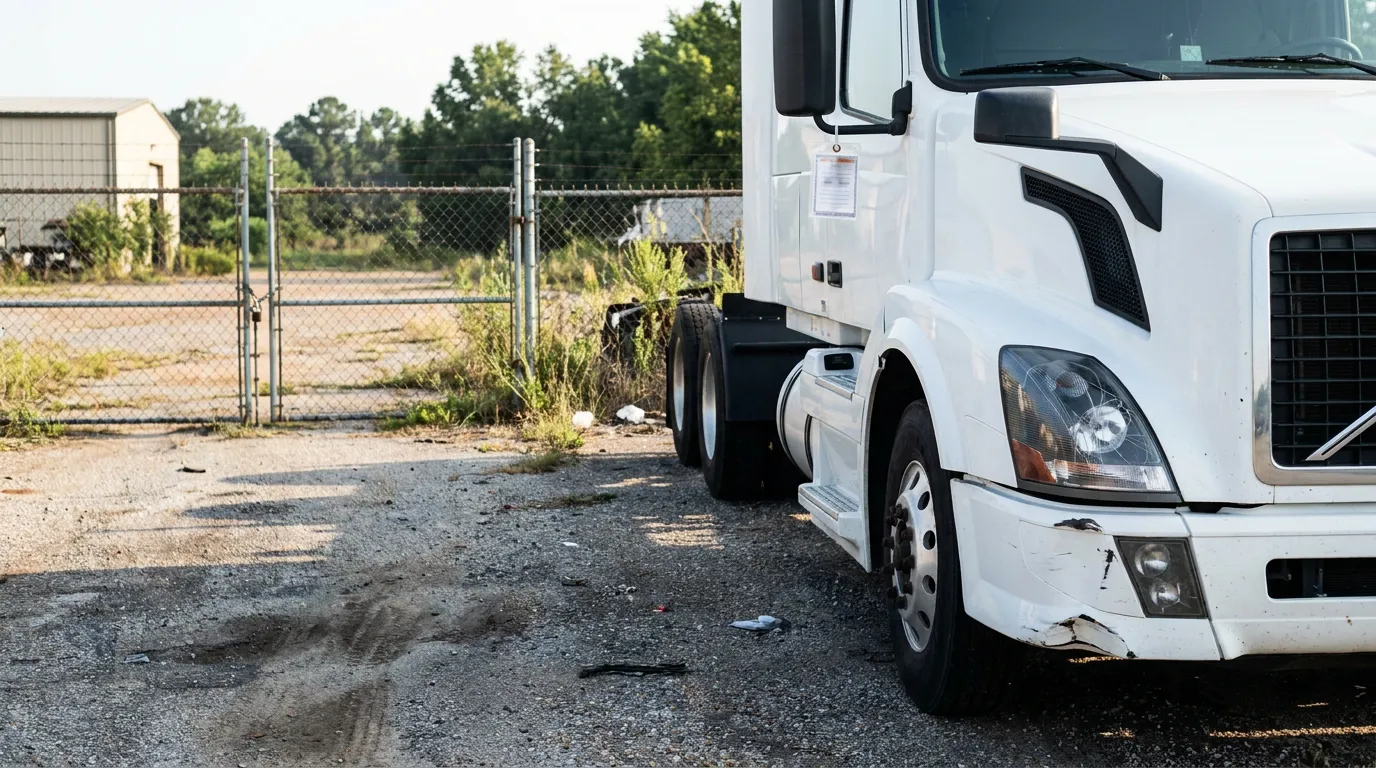
Protecting the Evidence That Proves Your Columbus Truck Crash Case Key Takeaways: A spoliation letter is a formal written demand sent to a trucking company, its insurer, and other responsible parties directing them to preserve all evidence tied to a semi-truck crash. Evidence can include electronic logging device data, engine control module downloads, dashcam footage,…

Why Decatur Crash Victims Are Paying Closer Attention to Negligent Entrustment Claims Key Takeaways: A negligent entrustment truck accident claim allows an injured person to hold a vehicle owner or trucking company directly responsible for putting an unfit driver behind the wheel. Alabama Supreme Court precedent sets out the core elements a plaintiff must prove,…
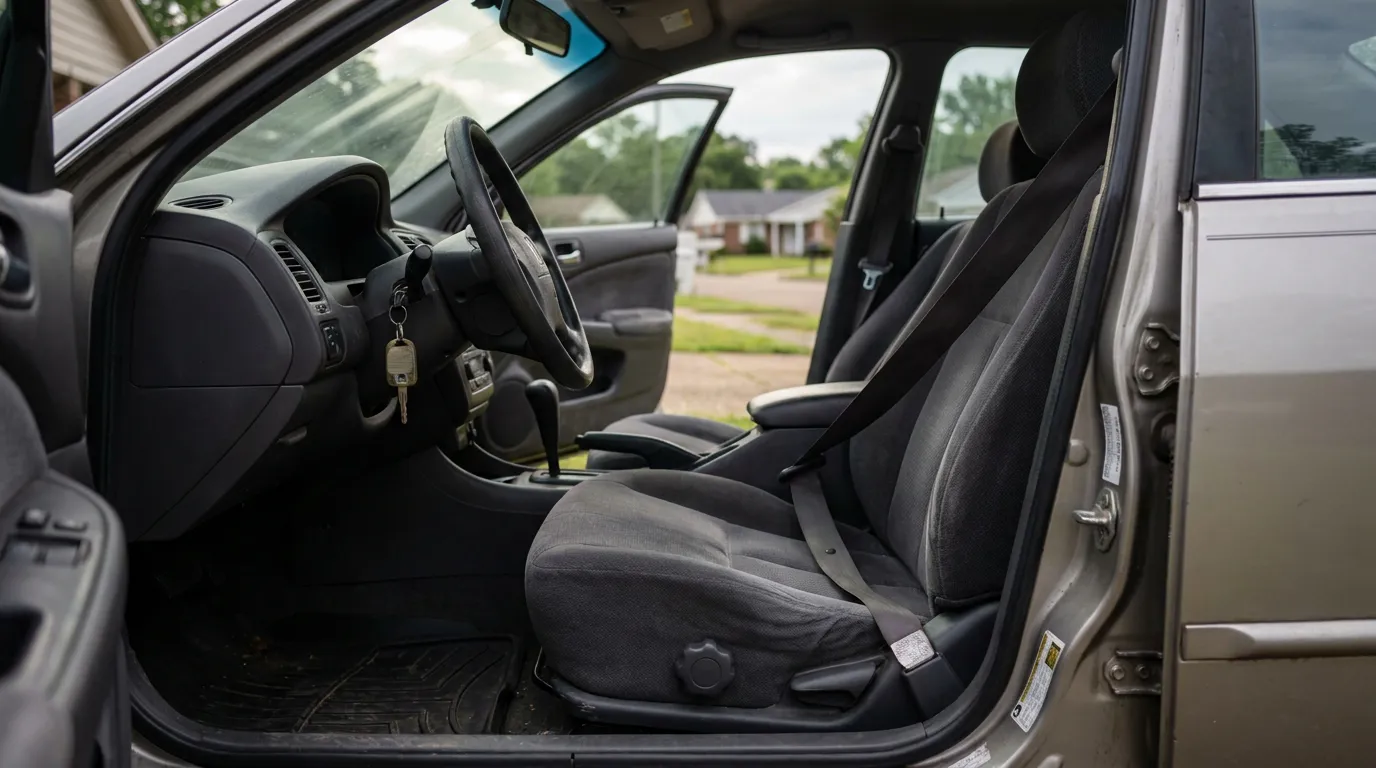
The Hidden Danger Behind the Bruise Across Your Chest Key Takeaways: Seat belt syndrome describes injuries that may be caused by the restraint system itself during a Jackson, MS car accident, including visible lap and shoulder belt bruising plus underlying abdominal, spinal, or thoracic trauma. This visible mark, known as the abdominal seat belt sign,…